
 EN
EN



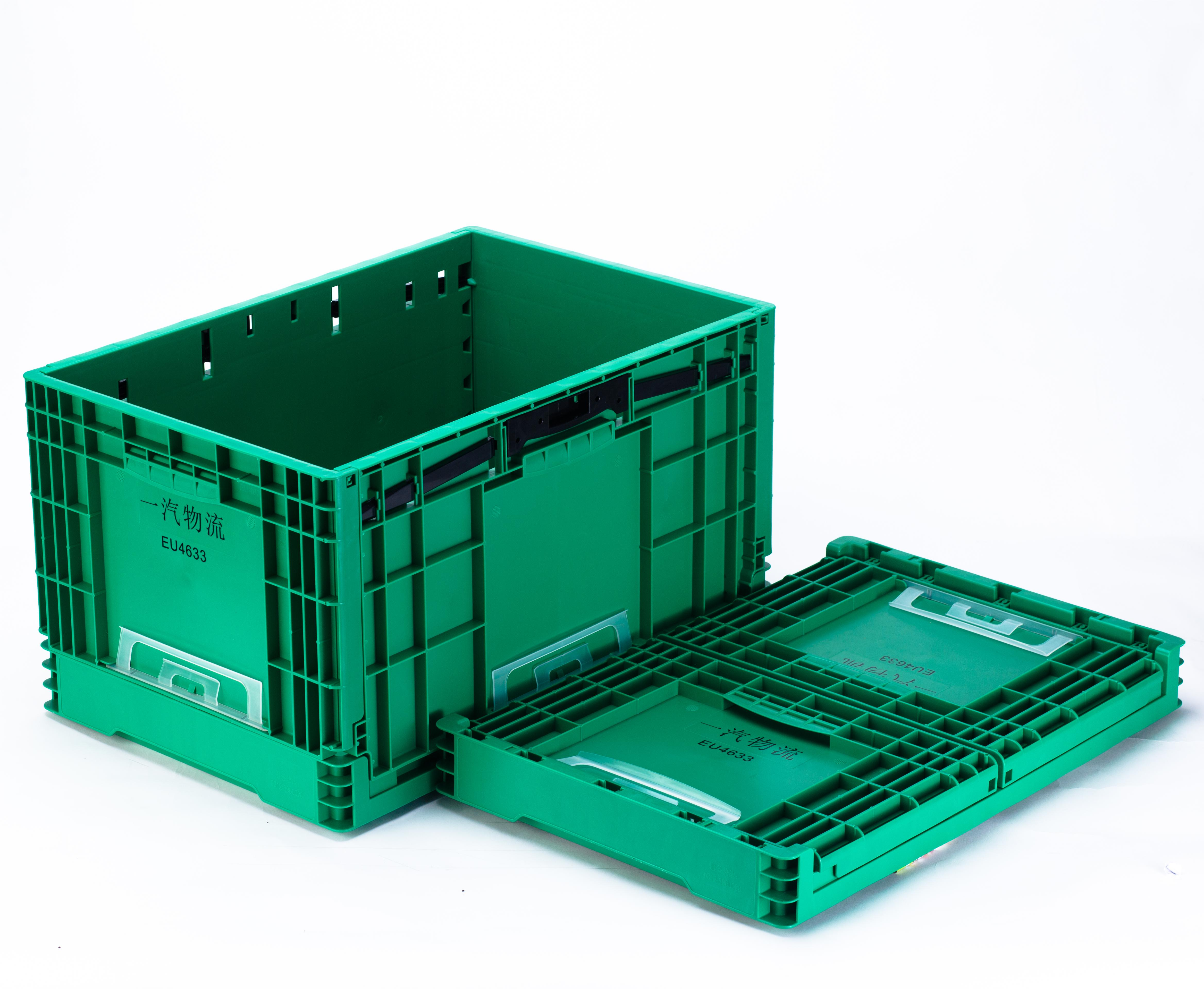
Food and Beverage Industry: Core Applications of Plastic EU Crates
Role of Reusable Plastic Crates in Food Supply Chains
The reusable plastic crates used throughout Europe have become essential for moving fresh produce from farms all the way to supermarket shelves. These standard sized boxes measure exactly 600 by 400 millimeters, which works really well with those automated stacking machines at warehouses. This standardization cuts down on handling time significantly, maybe around 34 percent when compared to irregularly shaped packages. Made primarily out of polypropylene or PP as it's known in industry circles, these containers last quite a long time actually, often making it through over a decade of use before needing replacement. They're also much lighter than wooden equivalents too, coming in at about 40% less weight. That makes them easier to move around and ultimately helps cut down on fuel costs for transportation companies across the continent.
Advantages of Plastic Crates in the EU for Safe Food Transport and Packaging
| Factor | Plastic EU Crates | Traditional Packaging |
|---|---|---|
| Hygiene Compliance | Smooth surfaces, dishwasher-safe | Porous materials harbor bacteria |
| Damage Prevention | 95% reduction in product damage | 27% spoilage rate in cardboard |
| Stacking Efficiency | Uniform design allows 20% more units per truck | Irregular shapes waste space |
| Return on Investment | 7-year ROI through 500+ reuse cycles | Single-use disposal costs accumulate |
According to the 2024 Food Logistics Report, 83% of EU food processors now require reusable plastic crates for raw material intake to meet FSSC 22000 certification standards.
Case Study: Integration of Plastic EU Crates in Major European Dairy Operations
A Scandinavian dairy cooperative reduced packaging waste by 31% after switching to standardized plastic crates for milk carton distribution. The foldable design slashed empty return shipping costs by 58%, while embedded RFID tags enhanced batch traceability in compliance with EU Regulation 178/2002.
Application Across Bakery, Seafood, and Meat Segments
In France, ventilated plastic crates help maintain optimal humidity levels, extending baguette freshness by 18 hours. German seafood packers utilize crates with integrated ice compartments to keep fish below 4°C throughout 72-hour shipments. For meat exports, anti-microbial liners reduce contamination risks by 92% compared to wax-coated cardboard boxes.
Trend Toward Sustainable Packaging Solutions in Food Logistics
Driven by the Circular Economy Action Plan, reusable plastic crate leasing programs have surged 240% since 2020. Leading food companies now favor crates containing 30–50% recycled material, aligning with EU Directive 94/62/EC goals to phase out single-use plastics in B2B logistics by 2030.
Agriculture Sector: Harvesting and Distribution with Standardized Plastic EU Crates
Use of Plastic EU Crates in Fresh Produce Handling and Cold Chain Logistics
The shift to plastic EU crates is really changing how fresh produce gets handled, especially when it comes to berries and greens. According to research published last year, strawberry growers who switched to these crates saw their harvest efficiency jump by around 25%. The better air circulation and less damage during handling made all the difference. These crates come in standard sizes (typically 600 by 400 millimeters) which makes them work great with modern washing systems and refrigerated trucks, keeping those precious fruits at the right temperature throughout transport. Farmers in Central Europe report seeing roughly 18% less spoilage since adopting this system, which means fewer losses and happier customers at market.
Benefits of Standardized Sizing for Automation and Stacking Efficiency
Uniform crate sizes reduce manual sorting labor by 40% in large packing facilities. Automated stacking systems achieve 92% vehicle space utilization, while compatibility with robotic palletizers lowers handling costs by €0.85 per crate in EU trials. Growers report 30% faster order fulfillment as a result.
Comparison with Traditional Packaging: Durability and Hygiene Advantages
Wooden crates tend to splinter and get all sorts of stuff stuck in them, while plastic EU crates last well over ten years even with constant daily handling. Plus they meet the EU Regulation (EC) No 1935/2004 standards for materials that touch food products. Cleaning is another major advantage too. Plastic crates take just about 90 seconds under high pressure sprays to sanitize properly compared to those lengthy 15 minute waits needed for wood sterilization. According to industry reports, around 85 percent of apple packing facilities have switched entirely to plastic containers now, saving roughly 2.3 million euros every year on replacements alone. And let's not forget the hygiene factor either. The smooth non-porous surface of plastic cuts down on cross contamination issues by about two thirds, making it much safer for food handling operations across Europe.
Logistics and Retail: Streamlining Transport and Last-Mile Delivery
Reusable transport packaging as a driver of modern logistics efficiency
The reusable plastic crates used across Europe have become pretty much essential for streamlining logistics operations, particularly when it comes to getting goods from distribution centers right to customers' doors. Looking at how things work in various parts of Europe, businesses notice handling times drop somewhere around 15 to 20 percent compared to single-use packaging options. With forecasts suggesting the last mile delivery sector could balloon by about $51.1 billion from 2025 through 2029, those savings start looking really important for companies trying to stay competitive. Businesses that standardize their crate systems often see operational expenses fall roughly 30%, mainly because they can reuse them so many times and there's just less breakage during transport. Plus, these crates play nicely with automated sorting systems, which means warehouses can handle nearly 23% more packages each day without needing to build out new facilities or invest heavily in equipment upgrades.
Compatibility of plastic crates with automated order picking and warehouse systems
Plastic EU crates come in standard sizes which makes them work really well with robots and conveyor systems. According to a recent survey on automation from 2023, warehouses that switched to these modular containers saw scanning accuracy jump to 99.8%, compared to just 92% for places still dealing with all sorts of different package shapes. The difference matters because it cuts down on picking errors and speeds things up during order processing. And this isn't small potatoes either - over two thirds (that's 64%) of warehouse managers list inconsistent packaging as their biggest headache when trying to automate operations.
Reducing waste in grocery and e-commerce delivery with reusable plastic EU crates
Retailers cutting down on packaging waste have seen impressive results, with grocery stores reducing their trash by around 40% when they switched from those one-time use boxes to sturdier plastic crates instead. Looking at online shopping trends, we find that reusing these containers in a circular system keeps roughly 780 tons of cardboard out of landfills every month just within the big European distribution centers. Studies looking at the whole life cycle of these materials reveal something interesting too: those plastic crates actually create about two thirds less carbon pollution for each delivery over a five year period than regular disposable packaging does. And it turns out people care about this stuff. According to Eurostat data from last year, most shoppers in Europe (around eight out of ten) actively look for environmentally friendly packaging options when placing their online grocery orders.
Cross-Industry Benefits of Plastic EU Crate Standardization
How Standardized Sizing Enables Collaboration Between Manufacturers, Distributors, and Retailers
Going with the 60 by 40 cm standard really helps everything work together smoothly throughout the whole supply chain. Factories can handle boxes from different suppliers on their automation lines without issues, and distributors get better results when loading trucks too. They actually manage to stack 18 percent more efficiently compared to those odd shaped containers. For stores, there's this nice feature where products come straight ready for display, so no need to take them apart and put them back together again. According to a survey done last year looking at around 120 companies in Europe making stuff, most of them (about three out of four) started working closer with their logistics partners once they switched to these standard plastic EU crates.
Cost-Efficiency and Long-Term Durability Driving Adoption Across Sectors
EU crates made from polypropylene generally stick around for about ten years before needing replacement, which is way longer than traditional wooden containers that usually last between three to five years, and certainly beats single use cardboard boxes that only survive one trip through the supply chain. When looking at costs over this extended period, studies show companies save roughly 62 percent when they consider how durable these plastic crates are plus how well they work with standard industrial cleaning processes. According to reports from the European Food Safety Authority, switching to these reusable options cuts down on microbial contamination risks by around 34 percent compared with those old mixed material packages many still use today. This makes them particularly valuable for businesses across different industries trying to maintain consistent hygiene levels throughout their operations without constantly replacing equipment.
Challenges and Barriers to Wider Adoption of Reusable Plastic EU Crates
High Initial Investment vs. Long-Term Savings: Evaluating the Economic Paradox
Getting started with reusable plastic EU crates costs quite a bit more upfront than going with single use alternatives. We're talking around 15 to 30 percent extra to get into the system according to Future Market Insights from 2024. Sure, studies looking at the whole life cycle show these crates can save about 63% in costs after five years when they get reused multiple times. But for smaller businesses tight on money, this initial expense is tough to swallow. A recent look at European recyclable packaging in 2025 revealed something interesting too: nearly three quarters of food distributors still put their focus on keeping cash flowing in the here and now rather than thinking about savings down the road. This makes it hard for these eco friendly crates to catch on widely even though everyone knows they're better for the environment in the long run.
Operational and Logistical Hurdles in Scaling Reuse Models Industry-Wide
Getting closed loop systems to work at scale requires good coordination throughout the entire supply chain network. Looking at what the EU wants for packaging reuse shows some serious gaps in how we handle stuff going back through the system. Collection and transport alone seem to wipe out about a fifth of environmental benefits seen in these test programs. When companies operate across borders, they run into problems with incompatible computer systems. Nearly half of all EU manufacturers have trouble keeping track of their reusable items because different countries use different software. Warehouse space becomes another headache too. Regular plastic crates from the EU take up around 40 percent more room on the floor compared to those foldable ones when business slows down during slower periods.
Industry collaboration is vital to overcoming these obstacles. The European Plastic Converters Association promotes shared washing hubs and blockchain-based inventory tracking to reduce operational costs by 18–34%, improving the financial viability of large-scale reuse models.
FAQ Section
Why are plastic EU crates preferred over wooden and cardboard packaging?
Plastic EU crates are preferred due to their longer durability, lightweight, and hygiene advantages. They're easier to clean and sanitize, reducing microbial contamination risks significantly compared to wooden and cardboard packaging.
What economic benefits do plastic EU crates offer?
Despite higher initial costs, plastic EU crates provide long-term savings through extended reuse cycles. These crates can save companies approximately 62% over a decade compared to single-use packaging.
How do plastic EU crates contribute to environmental sustainability?
Plastic EU crates reduce waste, save on disposal costs, and decrease carbon pollution when compared to disposable packaging. They are a crucial component in achieving Circular Economy goals and reducing the reliance on single-use plastics.
What challenges do industries face in adopting plastic EU crates?
Industries face challenges in initial investment costs, operational coordination, and logistical compatibility across borders, which can hinder widespread adoption of plastic EU crates despite their long-term benefits.
How do standard sizes of plastic EU crates enhance efficiency in supply chains?
Standard sizing enables better stacking and automation compatibility, thus improving transportation and order-picking efficiency across supply chains. This uniformity reduces manual sorting and handling costs.
Table of Contents
-
Food and Beverage Industry: Core Applications of Plastic EU Crates
- Role of Reusable Plastic Crates in Food Supply Chains
- Advantages of Plastic Crates in the EU for Safe Food Transport and Packaging
- Case Study: Integration of Plastic EU Crates in Major European Dairy Operations
- Application Across Bakery, Seafood, and Meat Segments
- Trend Toward Sustainable Packaging Solutions in Food Logistics
- Agriculture Sector: Harvesting and Distribution with Standardized Plastic EU Crates
- Logistics and Retail: Streamlining Transport and Last-Mile Delivery
- Cross-Industry Benefits of Plastic EU Crate Standardization
- Challenges and Barriers to Wider Adoption of Reusable Plastic EU Crates
-
FAQ Section
- Why are plastic EU crates preferred over wooden and cardboard packaging?
- What economic benefits do plastic EU crates offer?
- How do plastic EU crates contribute to environmental sustainability?
- What challenges do industries face in adopting plastic EU crates?
- How do standard sizes of plastic EU crates enhance efficiency in supply chains?

