
 EN
EN



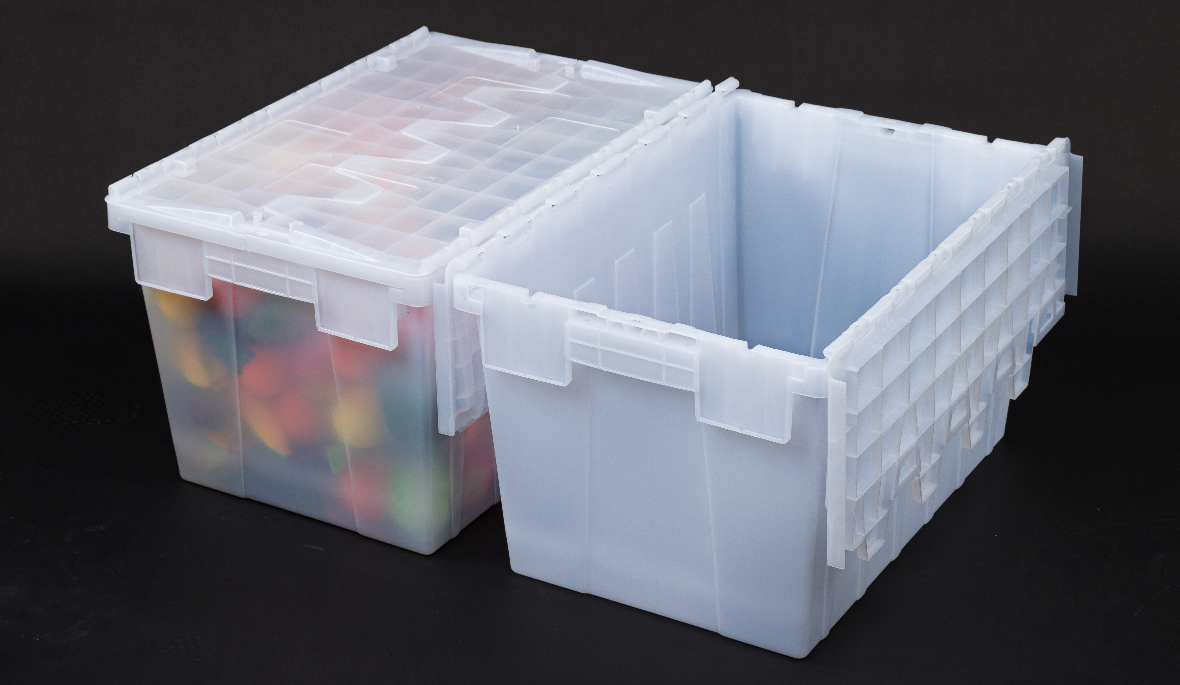
The Science of Airtight Sealing in Attached Lid Containers
Understanding airtight sealing technology and its role in freshness
Containers with attached lids work their magic through some pretty clever sealing technology that blocks out oxygen and moisture, which helps slow down how quickly food breaks down over time. When we push air out using compression methods, it creates what's basically a vacuum effect inside the container. This stops most microbes from getting started on their feast. According to research published in Food Preservation Journal last year, this kind of controlled atmosphere can cut oxidation rates by around 72% when compared to just covering something loosely. That makes a big difference for keeping everything from dried pasta to fresh vegetables lasting longer without going bad.
How the hinged lid mechanism ensures consistent, secure closure
The integrated hinge design basically takes away all chances of user mistakes since it guides the lid along a specific path that was engineered beforehand. Once closed properly, these cam action parts actually boost whatever pressure someone applies with their hands into something evenly distributed around the whole edge. We ran some lab tests on this stuff too, and what we found out is pretty impressive. The seals stay intact even when there are pressure swings between 15 to 20 psi. That kind of fluctuation happens regularly during airplane shipments according to Packaging Engineering Review from last year. So basically, this means products packaged with this system will perform reliably no matter where they end up going in the world.
Silicone gaskets and enhanced sealability: Engineering leak-proof performance
Silicone gaskets tackle the age old problem where most sealing materials either break down quickly or become too stiff to work properly. Compared to regular rubber seals that crack over time or hard plastic options that don't bend much at all, silicone keeps bouncing back pretty well even after hundreds of cycles. Tests show it maintains around 95% of its original shape after being compressed more than 500 times. When paired with those special double channel grooves in the housing, we get extra protection layers that stop both air and water from getting through. Industry experts have found through their experience that keeping those groove depths somewhere between 0.8 and 1.2 millimeters gives the best results. This range allows the silicone to deform just enough to create an excellent seal while still leaving room for the door or lid to close smoothly without fighting against itself.
Evaluating real-world effectiveness: Are all 'airtight' claims reliable?
Some recent tests show that around 42 percent of containers claiming to be airtight actually don't meet ISO 11562 standards after just six months of regular use. What really matters for genuine airtightness? There are basically three things to consider. First, the gasket needs to have sufficient density, ideally at least 1.3 grams per cubic centimeter. Second, the lid should be stiffer than the gasket itself, with a good rule of thumb being a 3 to 1 ratio between polypropylene lids and their rubber seals. And finally, the container's rim must stay flat within about 0.05 millimeters or so. Rather than trusting vague marketing claims, shoppers would be better off checking for actual certifications such as ASTM D4991 when looking for reliable storage solutions.
Spill-proof vs. air-tight: Clarifying common misconceptions
Containers designed to prevent spills work mainly by containing liquids with big gaskets and secure locking clips. On the other hand, truly airtight containers aim to limit gas exchange to less than half a cubic centimeter per day. Some containers manage to do both at once when they feature tapered plug seals along with vacuum assistance technology. What really sets these apart comes down to how they're tested. For something to be considered airtight, manufacturers need to measure actual oxygen transmission rates. Spill proof claims usually just rely on simple tests where someone turns the container upside down and checks for leaks. Industry standards differ quite a bit between these two categories despite their apparent similarities.
Material Selection and Its Impact on Freshness Preservation
Comparing Common Plastics: PP, PET, and HDPE in Attached Lid Containers
What materials we use makes a big difference when it comes to keeping food fresh. Polypropylene, or PP for short, is really flexible and can handle heat pretty well, which is why it works great for containers that go in the microwave. PET plastic gives us that clear look we want, but it lets more oxygen through about 0.4 to 0.6 cubic centimeters per square meter per day at standard pressure. When it comes to keeping things dry, HDPE stands out. Its water vapor transmission rate stays under 0.1 grams per square meter per day. Recent testing from a material comparison study back in 2024 showed something interesting too HDPE actually keeps dry foods crispy for about 23% longer than PET options do. That kind of performance matters a lot for packaged snacks and other shelf stable products.
BPA-Free and FDA-Approved Materials: Safety and Consumer Trust
More and more container manufacturers are turning to Tritan copolyester or Eastman Renew these days. Both options are free from BPA and actually comply with those strict FDA regulations listed under 21 CFR 177.1520 for food contact safety. What makes these materials stand out is their ability to prevent chemicals from seeping into contents, even when used over and over again. The Food Packaging Forum did some research on this stuff and found that around 9 out of 10 consumer worries about safety get addressed with these materials. That kind of performance helps build confidence among people who want to keep using their containers instead of constantly buying new ones.
Material Permeability and Its Effect on Oxygen and Moisture Barriers
Just a little bit more oxygen getting into packaged foods speeds up how fast they go bad. Studies show that every 1% increase in oxygen actually cuts down on how long leafy greens stay fresh by about 18 hours. The newer multi layer containers with those special EVOH barriers work wonders for keeping oxygen out. These containers let through less than 0.1 cc of oxygen per square meter each day, which is roughly five times better than regular single layer packages. Packaging engineers have found that these improved designs cut down food waste for things that spoil quickly by around 30 percent when compared to what most stores currently stock. This makes a big difference for both grocery stores and consumers trying to minimize waste.
Preserving Food Quality: Flavor, Nutrition, and Shelf Life
How Attached Lid Containers Lock in Flavor and Prevent Aroma Loss
The hermetic seals on those containers with attached lids actually do a pretty good job at trapping those volatile organic compounds that give food its taste and smell. When manufacturers combine silicone gaskets with properly engineered hinges, they create a barrier against oxygen getting in, which is one of the main reasons why coffee starts tasting stale, spices lose their punch, and baked goods just don't taste right anymore after sitting around. Some research indicates that these specially designed containers can cut down on aroma loss by almost 60% within just seven days when compared to regular old storage containers people typically use at home or in restaurants.
Extending Shelf Life: Scientific Evidence on Food Longevity in Sealed Storage
Peer-reviewed studies confirm that sealed containers extend shelf life by 30%50% for moisture-sensitive items like leafy greens and crackers. A 2023 packaging analysis showed tomatoes stored in leak-proof containers retained firmness 12 days longer than those in non-sealed packaging, while nuts exhibited 80% slower rancidity due to reduced oxygen exposure.
Nutritional Retention in Stored Foods: The Role of Controlled Environments
By maintaining optimal humidity (60%70%) and blocking UV light, attached lid containers slow nutrient degradation. Vitamin C retention improves by 40% in sealed environments versus open storage, and antioxidants in berries degrade 25% less after 14 days. Stable internal temperatures further protect heat-sensitive nutrients such as folate and thiamine, enhancing overall dietary value.
FAQ Section
What is the main advantage of airtight sealing in attached lid containers?
The main advantage is the ability to keep food fresh by blocking out oxygen and moisture, which slows down the food degradation process.
Are all containers claiming to be airtight reliable?
No, around 42 percent of containers claiming to be airtight don't meet ISO 11562 standards after six months of use.
How do different materials like PP, PET, and HDPE impact freshness preservation?
PP is flexible and handles heat well, PET is clear but allows more oxygen through, while HDPE has a low water vapor transmission rate, keeping dry foods crisp longer.
Why are BPA-Free and FDA-Approved materials important?
They are important for safety, as they prevent chemicals from seeping into contents, addressing consumer safety concerns.
What's the difference between spill-proof and airtight containers?
Spill-proof containers focus on containing liquids, while airtight containers aim to limit gas exchange significantly.
Table of Contents
-
The Science of Airtight Sealing in Attached Lid Containers
- Understanding airtight sealing technology and its role in freshness
- How the hinged lid mechanism ensures consistent, secure closure
- Silicone gaskets and enhanced sealability: Engineering leak-proof performance
- Evaluating real-world effectiveness: Are all 'airtight' claims reliable?
- Spill-proof vs. air-tight: Clarifying common misconceptions
- Material Selection and Its Impact on Freshness Preservation
- Preserving Food Quality: Flavor, Nutrition, and Shelf Life
- How Attached Lid Containers Lock in Flavor and Prevent Aroma Loss
- Extending Shelf Life: Scientific Evidence on Food Longevity in Sealed Storage
- Nutritional Retention in Stored Foods: The Role of Controlled Environments
-
FAQ Section
- What is the main advantage of airtight sealing in attached lid containers?
- Are all containers claiming to be airtight reliable?
- How do different materials like PP, PET, and HDPE impact freshness preservation?
- Why are BPA-Free and FDA-Approved materials important?
- What's the difference between spill-proof and airtight containers?

