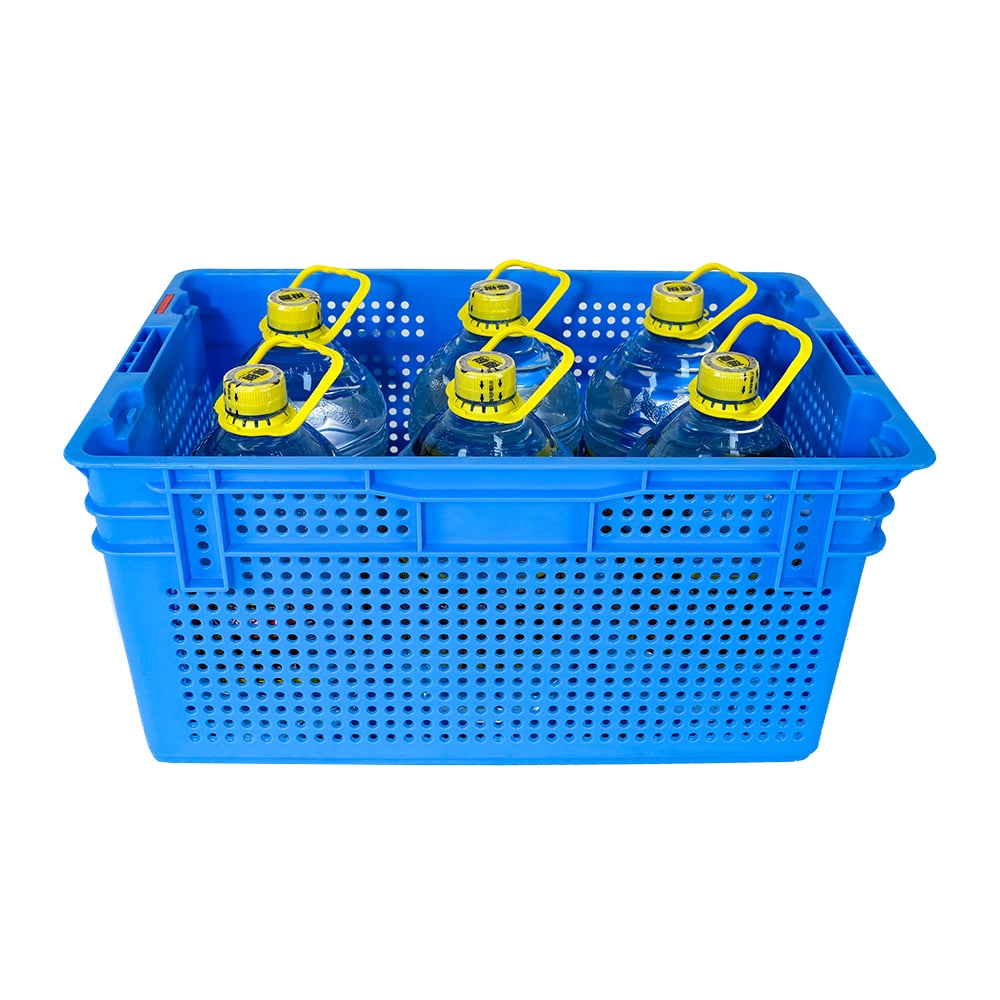
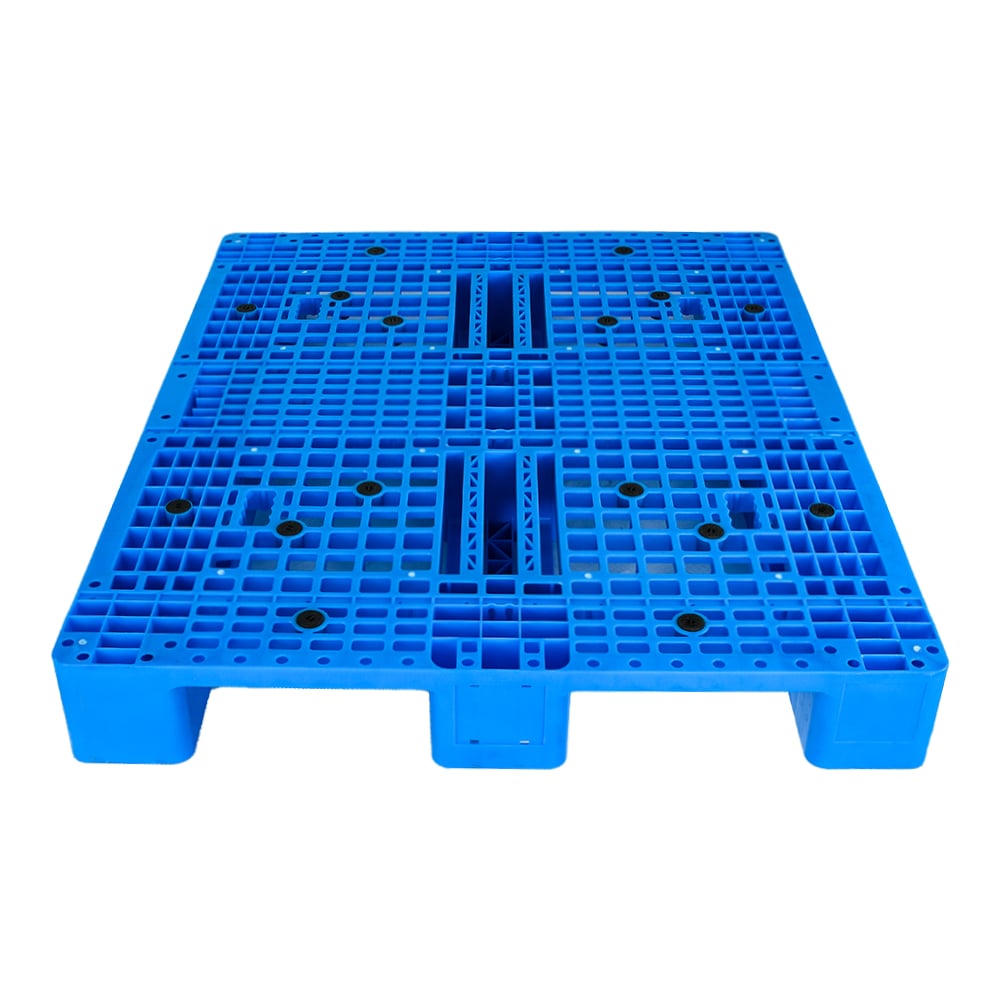
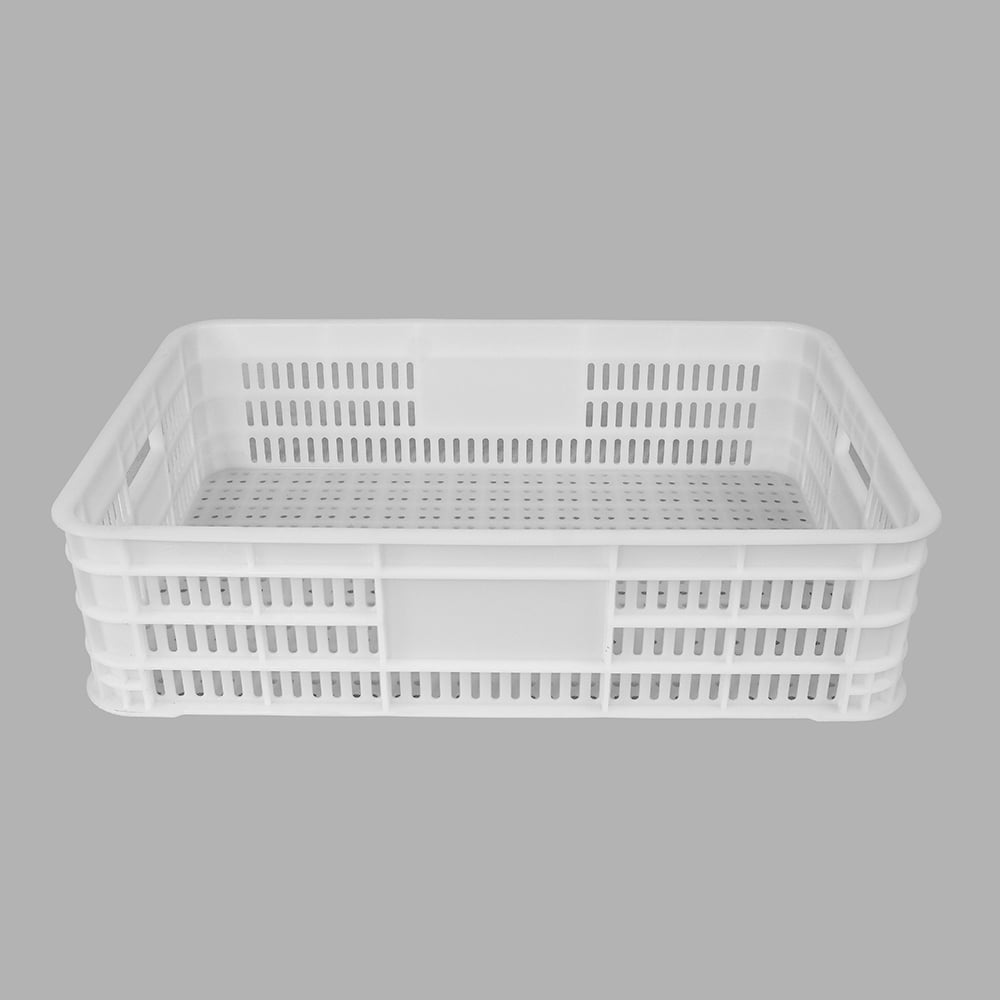
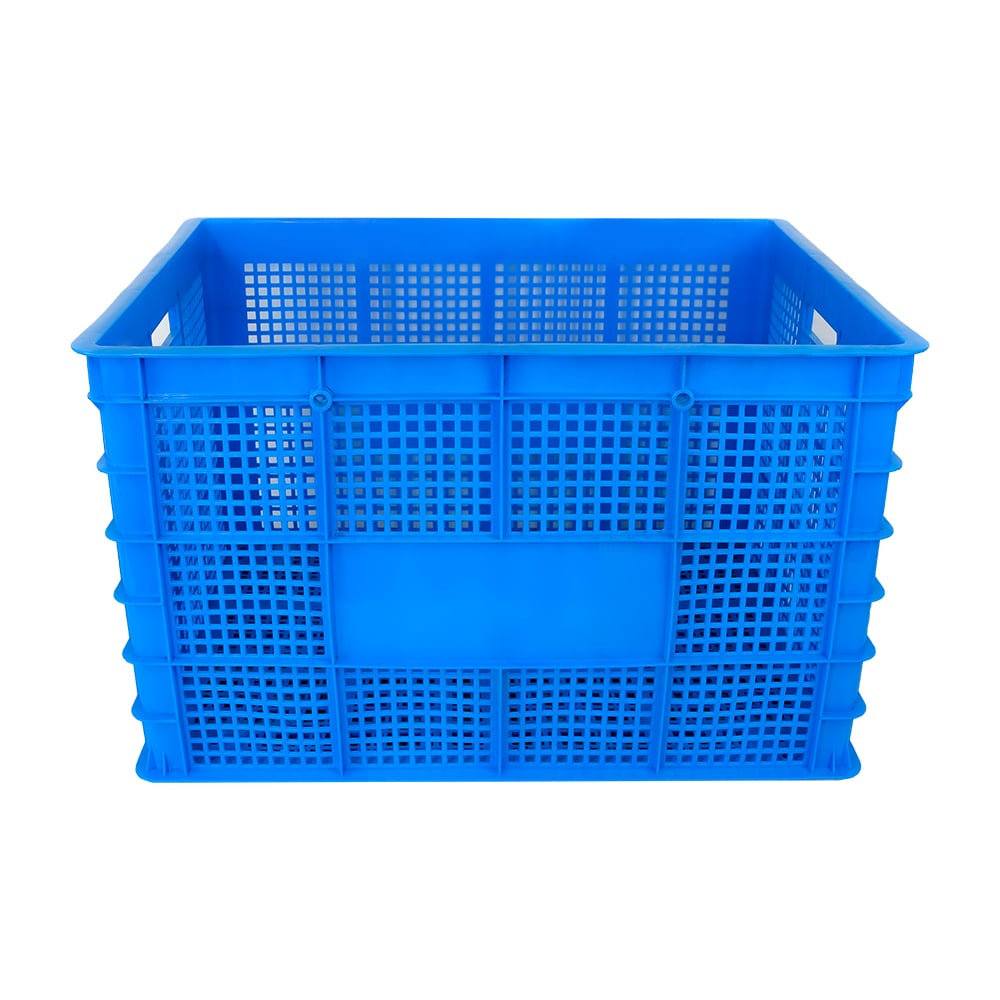
 ×
×
เริ่มต้นการจัดเรียงสิ่งของลงในกล่องเก็บพลาสติกโดยใช้เกณฑ์สามประการที่เชื่อมโยงกัน:
สามสิ่งนี้สร้างความโปร่งใสในสต๊อกสินค้าอย่างตั้งใจ — ลดเวลาการค้นหาได้ถึง 40% และช่วยลดการซื้อซ้ำซ้อน ตามงานวิจัยด้านประสิทธิภาพภายในบ้านที่สมาคมผู้จัดระเบียบมืออาชีพแห่งชาติ (NAPO) อ้างอิง
ปรับปรุงการจัดหมวดหมู่ด้วยโครงสร้างสองระดับที่สามารถขยายขนาดได้: ก่อนอื่นให้จัดสรรสิ่งของไปยังหมวดหลักก่อน โซน (เช่น “ครัว”, “โรงรถ”, “ห้องทำงานที่บ้าน”) จากนั้นแคบลงเป็นหมวดย่อยตามหน้าที่การใช้งาน ประเภท (เช่น “อุปกรณ์ทำขนม”, “เครื่องมือไฟฟ้า”, “เอกสารภาษี”) เพิ่มประเภทย่อยเพิ่มเติม—เช่น “ตามฤดูกาล” หรือ “สต๊อกสำรอง”—เฉพาะเมื่อมันช่วยเพิ่มความสามารถในการค้นหาอย่างมีนัยสำคัญ
ตัวอย่างเช่น:
ตรรกะแบบชั้นนี้ช่วยสร้างระบบจัดเก็บที่เข้าใจง่ายและสามารถบันทึกตัวเองได้ — ซึ่งมีค่ามากโดยเฉพาะในกล่องพลาสติกแบบซ้อนได้ที่การสแกนด้วยตาจำกัด การจัดระบบนี้สนับสนุนการใช้งานอย่างสม่ำเสมอจากสมาชิกในครอบครัวทุกคน และสามารถขยายได้อย่างไร้ปัญหาเมื่อความต้องการเปลี่ยนแปลง
การติดฉลากอัจฉริยะและการใช้สีรหัสเปลี่ยนระบบจัดเก็บแบบพาสซีฟให้กลายเป็นระบบที่กระตือรือร้นและครอบคลุม—ทำให้มั่นใจได้ว่าผู้ใช้งานทุกคน ไม่ว่าจะอายุหรือระดับความสามารถในการอ่านออกเขียนได้ เพื่อค้นหาสิ่งของได้อย่างมั่นใจและรวดเร็ว
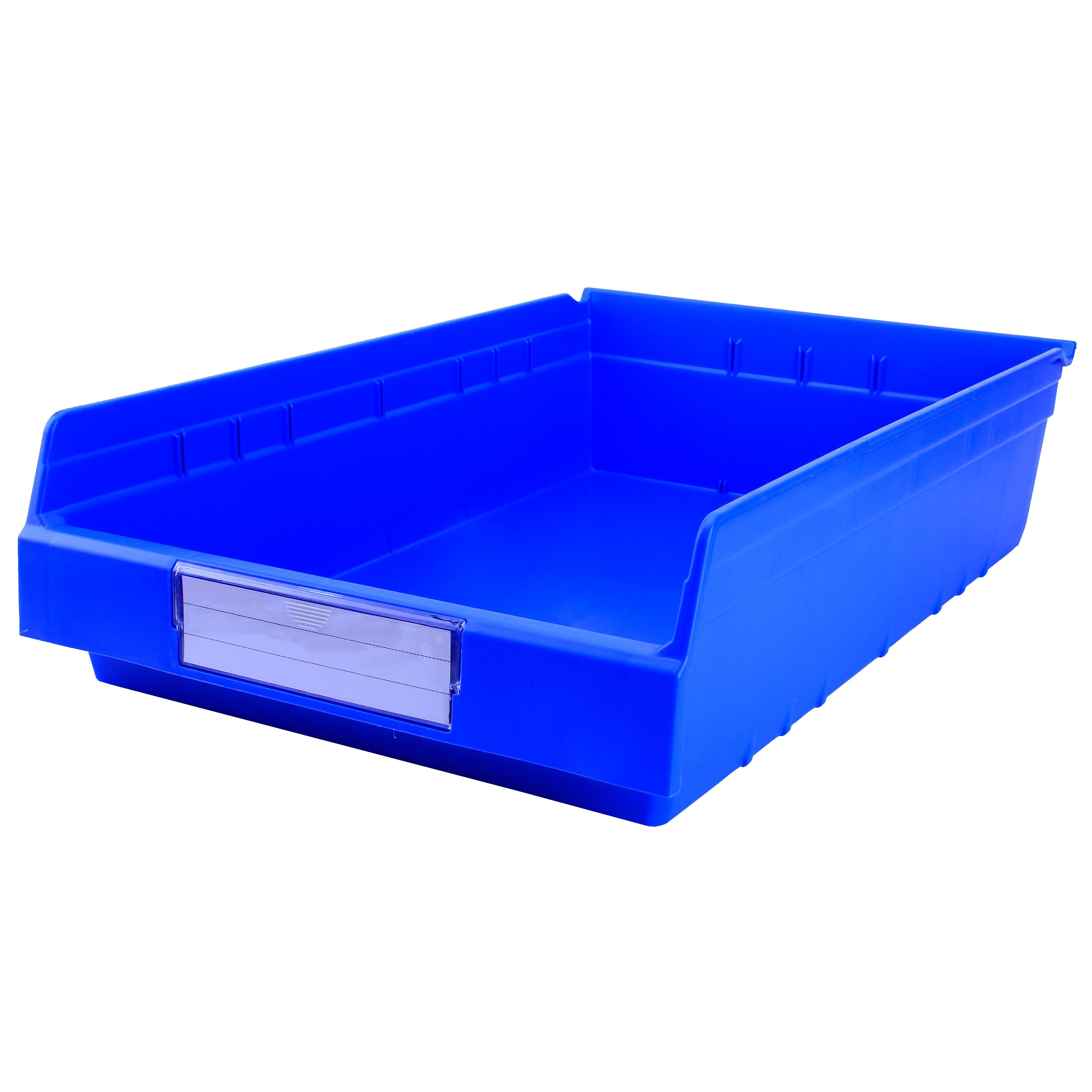
เมื่อพูดถึงการติดป้ายถังเก็บของ วัสดุสําคัญมาก ถังพลาสติกที่ไม่โปร่งใส ใช้ได้ดีที่สุด กับสติ๊กเกอร์ไวนิลที่กล้าเด่น ที่โดดเด่นกับพื้นหลังที่มืด ใช้สัญลักษณ์เหล่านี้ อยู่ที่ระดับตา ทั้งด้านหน้าและด้านบน เพื่อให้เห็นได้จากมุมต่าง ๆ ถังขยะที่ใสมันยากกว่า เพราะสิ่งที่อยู่ในนั้นจะแสดงออกมา ลองเพิ่มตัวกระป๋องภายนอกจากกระดาษกระดาษ หรือตัวกระป๋องติดที่เรารู้จักกัน กล่องนี้ช่วยให้สิ่งของอ่านได้ แม้ว่าถังขยะจะซ้อนกัน หรือปิดบางส่วน การใส่สัญลักษณ์ไว้ในที่เดียวกันทุกที่ ช่วยให้หลีกเลี่ยงความสับสนในภายหลัง การ ทํา ให้ มี ความ สะดวกสบาย สมาคมผู้จัดงานอาชีพแห่งชาติ ได้ประกาศสถิติเมื่อปี 2023 ที่แสดงว่า คนที่ปฏิบัติตามระบบนี้ ใช้เวลาในการล่าของใช้ในชีวิตประจําวันน้อยกว่าครึ่งหนึ่ง
สีควรถูกจัดตั้งด้วยจุดประสงค์ ไม่ใช่แค่เพื่อความงาม สีฟ้าใช้ได้ดีสําหรับของครัว สีเขียวใช้ได้ดีสําหรับตกแต่งบ้านตามฤดูกาล สีแดงใช้เป็นสัญญาณของสินค้าดูแลตัวเอง ส่วนสีเหลืองใช้กับของเด็ก การตั้งโค้ดสีแบบนี้ ช่วยให้ทุกคนเข้าใจว่าอะไรไปไหน โดยไม่ต้องใช้คําพูด ลดความพยายามทางจิตใจในการจัดระเบียบ และหยุดความผิดพลาดทั่วไป เช่น การวางวัสดุมืออาชีพ เมื่อสีที่กําหนดไว้ถูกผูกพันกับผู้ใช้สีนั้น มันส่งเสริมความเป็นอิสระด้วย เด็กๆ มักจะใส่ของเล่นของพวกเขา กลับใส่ถังสีเหลืองสดใสเหล่านั้น โดยไม่ถูกถาม ไม่จําเป็นต้องเปลี่ยนสีทุกปี เว้นแต่เกิดเหตุการณ์ใหญ่ๆ ในบ้าน หรือการเก็บของต้องเปลี่ยน คนส่วนใหญ่พบว่า การยึดมั่นในระบบเดียวกันตลอดเวลา จะมีผลดีกว่าการเปลี่ยนสิ่งต่างๆ การวิจัยบางส่วนเกี่ยวกับสิ่งแวดล้อมของเรา ที่ส่งผลต่อพฤติกรรม ชี้ให้เห็นว่า ระบบที่ใช้สีสันเหล่านี้ สามารถลดความเครียดในการตัดสินใจได้ถึง 40% ในพื้นที่ครอบครัวที่วุ่นวาย ที่มีคนหลายคนเข้ามาและออกไปตลอดทั้งวัน
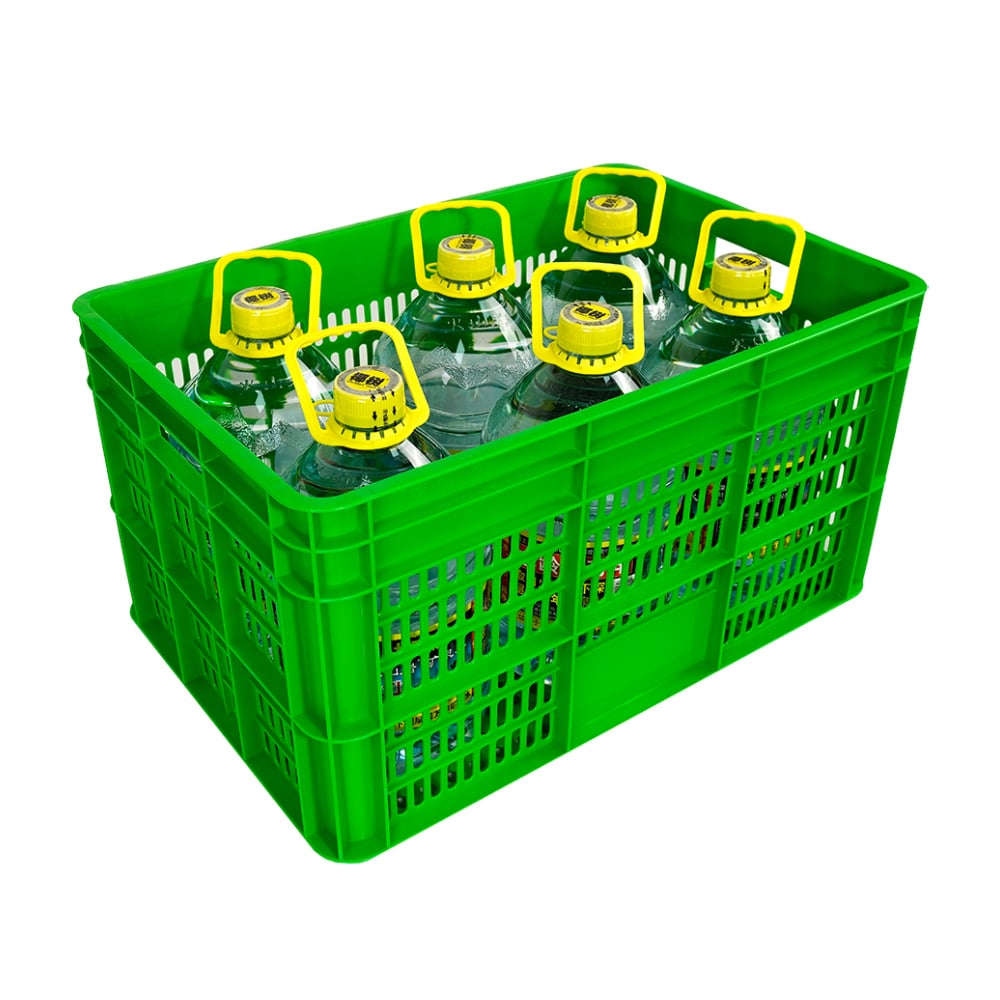
บ้านส่วนใหญ่มีพื้นที่แนวตั้งที่ผู้คนมักจะมองข้ามไปอย่างสิ้นเชิง เราพูดถึงตู้เสื้อผ้า พื้นที่ว่างเปล่าใต้เตียง และมุมห้องใต้หลังคาที่ไม่มีใครเคยคิดถึง ภาชนะพลาสติกแบบซ้อนกันได้สามารถนำมาใช้ให้เกิดประโยชน์ในจุดที่ถูกทิ้งร้างเหล่านี้ แปลงพื้นที่ว่างๆ ให้กลายเป็นพื้นที่ใช้สอยที่เป็นระเบียบ เมื่อกล่องมีความสูงเท่ากันและเข้ากันได้ดี จะก่อตัวเป็นสิ่งที่บางคนเรียกว่า 'กำแพงจัดเก็บ' ภายในตู้เสื้อผ้า ส่วนพื้นที่ใต้เตียงนั้นมีกล่องพิเศษที่มีความสูงต่ำพร้อมลูกล้อเลื่อน ซึ่งสามารถเลื่อนเข้าไปได้พอดีโดยไม่ยื่นออกมา สำหรับการจัดเก็บในห้องใต้หลังคานั้นอาจมีความยุ่งยากเนื่องจากการเปลี่ยนแปลงอุณหภูมิ แต่มีกล่องใสที่ผลิตด้วยสารป้องกันรังสี UV ซึ่งทำงานได้ดีในสภาพแวดล้อมดังกล่าว กล่องเหล่านี้ช่วยปกป้องสิ่งของในขณะที่ยังคงทำให้เจ้าของบ้านสามารถมองเห็นสิ่งที่จัดเก็บไว้ได้โดยไม่ต้องเปิดทั้งหมดออกมาก่อน
วิธีการนี้ใช้ได้ดีสําหรับการเก็บเสื้อผ้าตามฤดูกาล เครื่องประดับวันหยุด และสิ่งของที่เราไม่ต้องการทุกวัน โดยไม่ต้องใช้พื้นที่ใช้อยู่ การศึกษาจากวารสารจิตวิทยาสิ่งแวดล้อมพบว่า มันช่วยลดจุดที่ขัดขวางไปประมาณ 30% เมื่อ คิด ถึง การ จัด เก็บ ของ ใน ชั้น หลังคา หลังคา หลังคา หลังคา หลังคา หลังคา หลังคา หลังคา หลังคา หลังคา หลังคา หลังคา หลังคา หลังคา หลังคา หลังคา หลังคา หลังคา หลังคา หลังคา หลังคา หลังคา หาถังที่มีฝาปิดดีด้วย มันจะทําให้ฝุ่นออกจากข้างนอก และป้องกันสิ่งของจากการไหลเวียนเมื่อเคลื่อนย้ายมันไป เงินแถมที่ใช้ที่นี่ จะช่วยช่วยให้ไม่เป็นปวดหัวในภายหลัง
จัดลําดับรายการเป็นหมวดหมู่ตามฟังก์ชัน ความถี่ในการเข้าถึง และระยะรอบชีวิต เพื่อสร้างระบบเก็บข้อมูลที่กําเนิดโดยจุดประสงค์
วิธี 'โซน + ประเภท' คือการจัดกลุ่มสิ่งของตามโซนก่อน (เช่น ห้องครัว หรือโรงรถ) จากนั้นจัดตามหน้าหน้าที่ (เช่น อุปกรณ์อบขนม หรือเครื่องมือไฟฟ้า) โดยสามารถเพิ่มประเภทย่อยเพื่อการจัดระเบียบที่ละเอียดยิ่งกว่า
ใช้สติกเกอร์ไวนิลตัวหนาติดบนถังทึบ และใช้ป้ายลามิเนตติดบนถังโปร่งใสเพื่อความชัดเจน รักษารูปแบบป้ายอย่างสม่ำเสมอและมองเห็นได้ง่าย
การใช้สีต่างๆ ตามห้องหรือผู้ใช้ช่วยทำให้การจัดเก็บและการค้นหาง่ายขึ้น ลดความเหนื่อยทางสมอง และส่งเสร่งความเป็นอิสระ
การใช้ถังที่สามารถซ้อนทับในพื้นที่แนวตั้งจะเพิ่มประสิทธิภาพการจัดเก็บสูงสุด และช่วยจัดระเบียบพื้นที่ที่มักถูกละเลย เช่น ตู้เสื้อผ้า หรือใติเตียง
 ข่าวร้อนแรง
2025-03-31
2025-03-31
2025-03-31


 EN
EN