
 EN
EN



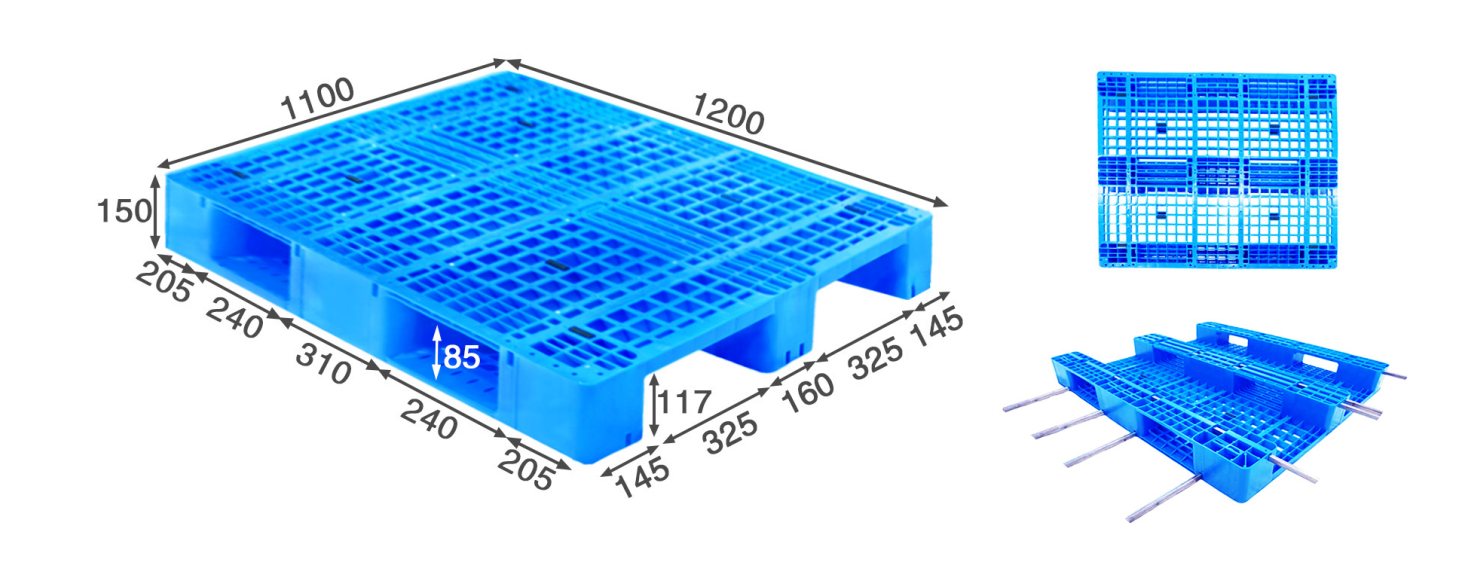
Core Plastic Materials for Hygienic Plastic Pallets
HDPE: The FDA-Compliant Standard for Non-Porous Cleanability
HDPE has become the go-to material for cleanroom plastic pallets because it meets FDA standards for touching food products directly. What makes HDPE special? Its solid, non-porous construction stops bacteria from getting inside, keeps moisture out, and basically says no to those pesky biofilms that form on other materials. Studies show this cuts down on microbial growth problems by around 80% when compared with wooden alternatives which tend to trap dirt and germs. The surface of HDPE is super smooth too, with measurements under 0.8 microns Ra, so there's nowhere for dangerous bugs like Listeria or E. coli to hide. These pallets handle all sorts of intense cleaning routines including high pressure rinses and common disinfectants like bleach solutions between 200 and 500 parts per million, plus peracetic acid and quats without breaking down or warping. After thousands of washes, they still hold up structurally, which matters a lot since according to recent data from the FDA, about seven out of ten product recalls happen because of environmental contamination issues in manufacturing spaces.
PP and HMW-PE: When Temperature Resistance or Impact Strength Dictates Material Choice
Polypropylene (PP) and High-Molecular-Weight Polyethylene (HMW-PE) serve targeted roles where HDPE’s baseline performance is insufficient:
- PP maintains dimensional stability up to 135°C (275°F), enabling safe use in autoclaving and steam sterilization—critical for medical device and pharmaceutical packaging logistics.
- HMW-PE delivers exceptional impact resistance, enduring drop forces up to three times greater than standard HDPE—ideal for heavy-duty applications involving frozen goods, metal components, or aggressive material handling.
Both retain essential hygiene properties—including chemical resistance to acids, alkalis, and industrial sanitizers—but require thicker cross-sections to match HDPE’s rigidity. Neither replaces HDPE for general-purpose hygienic use; rather, they extend capability into specialized thermal or mechanical environments.
Hygiene-Critical Material Properties and Regulatory Requirements
Non-Porous Surfaces, Smooth Finishes, and FDA/USDA Compliance
When it comes to meeting regulatory standards, material science plays a big role. Both FDA and USDA have strict rules about surfaces that touch food products or medicines, requiring them to be smooth and free from pores. High Density Polyethylene (HDPE) checks all these boxes because of how its molecules are arranged in a uniform crystal pattern. This structure keeps surface roughness measurements well under 0.8 micrometers and stops those tiny cracks where harmful bacteria can start growing. Tests done by third parties show that HDPE pallets cut down on recoverable bacteria by almost 99.9% after cleaning compared to other materials that let germs hide in their pores. Real world experience backs this up too. Facilities switching to HDPE compliant pallets notice fewer issues when they test their environments. And there's money saved too. Companies avoid paying out around $740,000 each time they have to recall products due to contamination problems according to Ponemon Institute research from 2023.
Chemical Resistance to Food-Grade Sanitizers and Cleaning Protocols
Pallets used in hygienic environments need to handle constant scrubbing and harsh chemicals day after day while still keeping their integrity intact. High density polyethylene (HDPE) stands out because its basic molecular structure doesn't break down when exposed to common cleaning agents like bleach solutions, hydrogen peroxide, or those strong acid and alkali cleaners often found in food processing plants. Even during intense pressure washing at around 3,000 psi, these pallets maintain their shape and functionality. Major equipment makers test how well their products hold up over time using special lab tests that fast forward through what would normally take ten years of regular industrial cleaning. On the flip side, cheaper plastic alternatives tend to crack or form tiny hairline fractures after multiple rounds of chemical treatment. These flaws create hiding spots for organic matter and can actually boost bacteria survival rates after cleaning by as much as three times. Industry reports show this kind of material failure is behind many serious hygiene issues seen in dairy operations and meatpacking plants where cleanliness standards are extremely strict.
Virgin vs. Recycled Resins: Balancing Sustainability and Hygienic Integrity
Why Virgin HDPE Is Preferred for High-Risk Food & Pharma Applications
Recycled HDPE does help move toward circular economy goals, but when it comes to high risk applications where we need complete traceability and no issues with hygiene, nothing beats virgin resin. The reason? Virgin HDPE has this really uniform molecular structure that gives it consistent density, absolutely no porosity, and stands up well against steam sterilization and those tough chemical disinfectants. With post consumer recycled materials, there's always the worry about possible contaminants, inconsistent melt flow rates, or leftover additives messing things up. Some lab tests actually showed bacteria sticking to virgin HDPE surfaces at just 47% of what they did on similar recycled versions. Think about pharmaceutical transport situations where even a tiny 0.1% contamination level could ruin an entire shipment, or consider ready to eat food production lines. That's where virgin HDPE shines because it offers clear material history tracking, reliable cleaning properties, and passes all the regulatory checks. Sure, using PCR materials brings sustainability benefits, but these shouldn't come at the cost of basic pathogen control requirements in our most critical supply chain operations.
Real-World Performance: How Material Choice Impacts Hygiene Outcomes
The material selected matters far more than many realize when it comes to maintaining proper hygiene standards in sectors like food processing, pharmaceutical manufacturing, and hospital supply chains. HDPE stands out because it combines several key benefits that work together exceptionally well. First off, it doesn't absorb anything thanks to its non-porous nature. Then there's how it doesn't react chemically with most substances, which makes it safe for contact with various products. And let's not forget about its smooth surface that resists dirt buildup. These characteristics mean fewer problems with biofilms forming, better resistance during those intense cleaning sessions, and no hidden spots where bacteria can hide away. Unfortunately, cheaper alternatives often lead to trouble down the road. We've seen plenty of cases where materials crack over time, trapping bits of organic matter between cracks. Other times, the finish wears down, making it easier for germs to stick around longer than they should. Even variations in resin quality can affect how well sanitizers actually work. Looking at actual outbreak data and facility inspections tells us something important: most hygiene issues stem from worn out materials rather than mistakes made by staff members. For facilities where cleanliness is absolutely critical, HDPE remains the gold standard after years of testing. It consistently delivers reliable results that pass inspection requirements while handling massive volumes of operations without breaking down.
FAQ Section
- What makes HDPE suitable for cleanroom plastic pallets? HDPE's non-porous structure prevents bacterial growth and moisture entry, offering superior hygiene standards.
- Why choose virgin HDPE over recycled HDPE in high-risk applications? Virgin HDPE provides consistent density, no porosity, and superior cleaning properties, reducing contamination risks.
- How do PP and HMW-PE plastics differ from HDPE? PP and HMW-PE offer specific advantages like temperature resistance and impact strength for specialized applications.
- What regulatory standards do hygienic plastic pallets need to meet? FDA and USDA regulations require pallets to have smooth, non-porous surfaces for safe contact with food or medical products.

