
 EN
EN



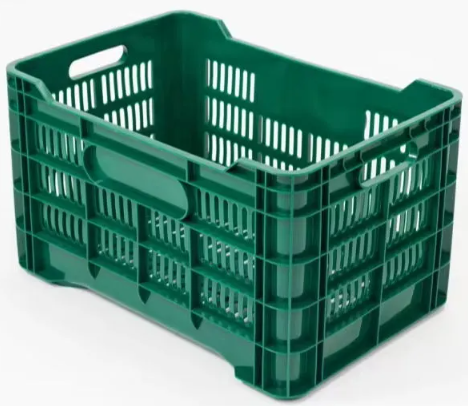
Space Optimization: How Plastic Folding Crates Maximize Storage and Transport Efficiency
75% Smaller Footprint When Collapsed — Ideal for Return Logistics and Off-Peak Storage
When plastic folding crates are collapsed, they take up only about 25% of the space they normally occupy while in use, which cuts down on problems that plague logistics operations. For transportation back to distribution hubs, these compact crates mean companies can fit roughly three times as many empty containers in a single trailer compared to traditional rigid ones. Warehouses also see significant savings since folded crates need just one quarter of the storage space when not actively being used, leaving room for items that generate actual revenue. Many distribution facilities have reported needing 40% fewer trailers specifically for managing empty crates after switching to this system. The advantages really stand out in sectors like retail and farming, where moving around empty containers eats up almost a third of all shipping costs according to industry data.
Stackable Design Improves Vertical Space Utilization in Warehouses and Distribution Centers
Plastic folding crates come with those clever interlocking stacking features that actually hold together pretty well even when stacked eight high and completely full of stuff. The whole point is to make better use of all that wasted vertical space inside facilities. Think about it – warehouses these days are packed tight already, right? Some places run at over 90% capacity most of the time. When everything fits together uniformly with regular shapes, it makes organizing pallets so much easier. Warehouse managers report seeing around a 22% improvement in how densely they can pack items on racks compared to those odd-shaped boxes nobody knows what to do with. Automated storage systems really love this kind of setup because knowing exactly how tall stacks will be cuts down retrieval times by about 15%. And don't forget about the fact these crates fold flat. That means maximum storage efficiency during busy periods but takes up next to nothing when not needed.
Durability and Protection: Reliable Performance Across 500+ Reuse Cycles
Impact-Resistant Polypropylene Ensures Consistent Structural Integrity
Made with industrial strength polypropylene, these plastic folding crates stand up remarkably well in tough supply chain situations where wooden boxes and cardboard containers just fall apart. They handle impacts better, work fine in all sorts of temperatures, and last way longer when put through repeated use. The stuff doesn't crack or warp even after hundreds of times being loaded and unloaded, staying solid from freezing cold at minus 20 degrees Celsius right up to scorching heat around 80 degrees. Tests done by third parties show that after going through about 200 cycles of normal wear and tear, they still keep about 98 percent of their original ability to withstand shocks. That means whatever gets stored inside stays protected throughout multiple trips back and forth without any compromise on safety.
Even Load Distribution Reduces Product Damage and Shrink by 32%
The reinforced corners along with a solid base spread out the weight evenly over the whole crate surface. This helps prevent those annoying pressure spots that can wreck delicate items such as fruits or fragile glassware. The way these crates are built actually cuts down on how much stuff moves around inside while being transported. According to Packaging Logistics Review, this design brings damage rates down by about 32 percent when compared with regular containers. When stacked together, they stay put both on warehouse floors and even when things get moving again. That means fewer losses due to accidents or mistakes during handling too.
Cost Efficiency: Lower TCO Through Reusability and Labor Savings
40% Lower Freight Costs on Returns vs. Rigid Crates Due to Reduced Volume and Weight
Collapsed plastic folding crates occupy 75% less space and weigh 41% less than rigid counterparts—driving a 40% reduction in return freight costs, per industry logistics analysis. Their optimized footprint slashes deadhead volume, while lower mass reduces fuel consumption and per-pallet shipping fees. A direct comparison illustrates the advantage:
| Packaging Type | Average Volume (Collapsed) | Weight per Unit | Freight Cost per Return Trip |
|---|---|---|---|
| Plastic Folding Crate | 0.15 m³ | 4.2 kg | $1.80 |
| Rigid Plastic Crate | 0.60 m³ | 7.1 kg | $3.00 |
For businesses managing reverse logistics at scale, this efficiency transforms return shipments from cost sinks into operationally sustainable processes.
Faster Loading/Unloading Cuts Labor Time by Up to 25% (Field Data from 3PL Partners)
Logistics companies have found that their docks move goods about 25 percent quicker when they switch to plastic folding crates. Why? Because these crates unfold without tools in just a few seconds and are super easy to handle. Corrugated boxes take anywhere from 2 to 3 minutes to put together, while these plastic ones are ready to go right away, which really speeds up those loading processes. The standardized size and smooth walls without any rough edges let them stack much tighter and more securely too. Warehouse managers actually saw a reduction of around 19% in unloading delays during recent audits at several distribution centers. For businesses dealing with large volumes day after day, all these small improvements add up significantly over time. Companies notice fewer man hours spent on manual work, less need for overtime pay, and ultimately lower costs across the board when running their operations.
Sustainability: Plastic Folding Crates as Enablers of Circular Supply Chains
100% Recyclable Material Options — Including 30% Post-Consumer Recycled (PCR) Content
Today's plastic folding crates get made from recyclable polypropylene, and quite a few actually contain around 30% post-consumer recycled material these days. The way manufacturers blend different polymers keeps these crates strong even after hundreds of uses - some last well over 500 times before showing wear. This shows that going circular doesn't mean sacrificing quality or strength. When they finally reach their useful life limit, workers simply shred them down and melt them back into new packaging materials. Compared to one-time use options, this recycling process cuts down on virgin material needs by roughly half according to recent industry reports from Packaging Europe last year.
68% Lower Carbon Footprint After 100 Trips vs. Single-Use Corrugated Packaging
Studies on product lifecycles indicate that plastic folding crates produce about two thirds less carbon dioxide emissions compared to single use corrugated boxes once they complete around 100 transportation cycles. Why? Well, there's no need to keep making new cardboard all the time, plus these crates collapse for return shipping which cuts down on fuel burned during transport, and we also avoid dealing with massive amounts of cardboard ending up in landfills. A single durable crate can actually take the place of over 300 regular cardboard boxes throughout its useful life. For companies of moderate size, this means cutting back roughly 12 metric tons worth of emissions each year from their supply chain operations. And let's not forget the waste reduction aspect either—these crates slash packaging material going back through the system by nearly 90 percent compared to traditional methods.
Frequently Asked Questions (FAQ)
What is the main advantage of using plastic folding crates?
Plastic folding crates offer superior space optimization and cost efficiency, making them ideal for return logistics and off-peak storage.
How do plastic folding crates impact storage efficiency?
They provide an interlocking stackable design to improve vertical space utilization in warehouses, making organizing much easier.
Are plastic folding crates durable?
Yes, they are made from impact-resistant polypropylene and remain structurally sound across 500+ reuse cycles.
How do plastic folding crates contribute to sustainability?
They are 100% recyclable and often include 30% post-consumer recycled content, reducing carbon footprints and minimizing waste.
Table of Contents
- Space Optimization: How Plastic Folding Crates Maximize Storage and Transport Efficiency
- Durability and Protection: Reliable Performance Across 500+ Reuse Cycles
- Cost Efficiency: Lower TCO Through Reusability and Labor Savings
- Sustainability: Plastic Folding Crates as Enablers of Circular Supply Chains
- Frequently Asked Questions (FAQ)

