
 EN
EN



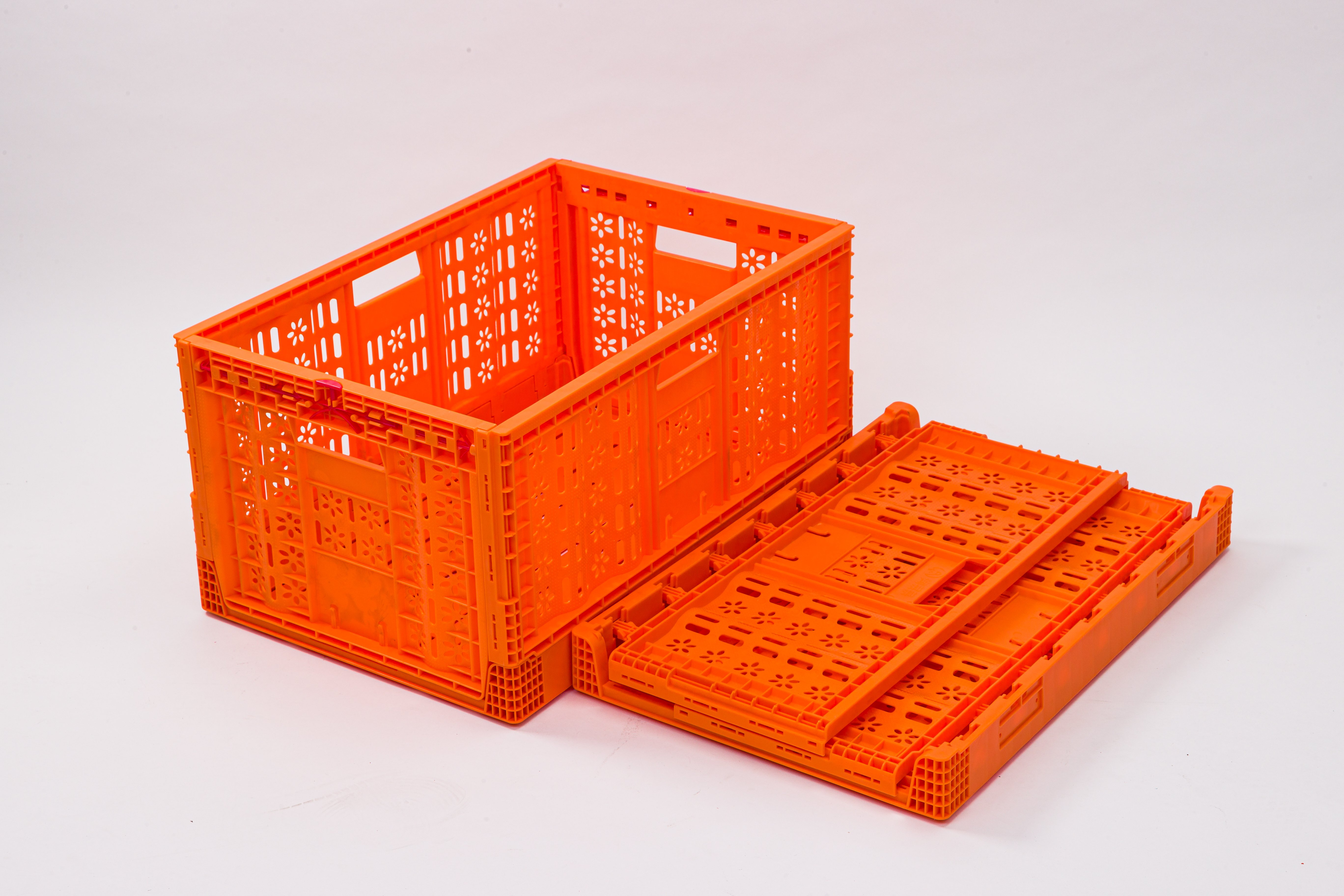
Plastic Folding Crate Anatomy: Key Components and Design Principles
Hinges, Latches, and Panel Interlocks: How They Enable Compact Folding
The transformative functionality of plastic folding crates hinges on three engineered components working in concert. Injection-molded hinges allow adjacent panels to rotate smoothly without detachment; spring-loaded latches automatically secure panels during transport; and integrated interlocks prevent misalignment when expanded. Critical design principles include:
- Rotational tolerance: Hinges must withstand 10,000+ cycles without deformation
- Positive engagement: Audible clicks confirm latch security
- Foolproof alignment: Interlocks position panels within 1mm precision
These elements collectively reduce crate volume by 80% when folded—a logistics optimization validated in peer-reviewed warehouse efficiency studies.
Why Brand-Specific Designs Affect Folding Behavior
Different manufacturers set things up in their own ways when it comes to how products fold together. The type of hinge matters a lot too. Barrel hinges need more effort to open compared to living hinges which bend easily. Some designs make life easier for people who want to operate them with just one hand thanks to magnets holding everything closed. Other versions stick with strong metal clips better suited for tough jobs where reliability counts. Thickness of materials isn't consistent between brands either. Sometimes panels feel stiff, other times they flex nicely. This explains why following the same folding steps doesn't always work out the same way across different products. When looking at alignment features, there's quite a range too. Beginners often appreciate colors showing where parts should go, but professionals working in factories prefer those without any markings since they can still tell what needs aligning even when wearing thick gloves or working in dim lighting situations.
How to Fold a Plastic Folding Crate Safely and Efficiently
Pre-Folding Checklist: Emptying, Releasing Locks, and Aligning Panels
Before collapsing your plastic folding crate, complete this essential preparation sequence:
- Remove all contents to prevent shifting weight from jamming mechanisms.
- Release all locking catches by pressing designated tabs until you hear audible clicks.
- Visually inspect hinge alignment along all four corner panels to ensure symmetrical folding paths.
Neglecting these steps risks hinge warping and latch failure—factors cited in 38% of premature crate replacements (Packaging Digest, 2024). Always position the crate on a flat, stable surface during preparation to maintain panel control.
Sequential Folding Order: Base ; Sides ; Lid with Visual Alignment Cues
Follow this methodical sequence to preserve structural integrity and reduce operator strain:
-
Base First
Engage the central base lock mechanism downward until flush with the panel. -
Side Panels
Fold opposing long sides inward, using color-coded corner indicators to guide positioning angles. -
Lid Closure
Lower the top panel until secondary latches audibly engage with side grooves.
| Folding Phase | Visual Cue Type | Force Required |
|---|---|---|
| Base Locking | Arrow embossments | Moderate press |
| Side Panel Fold | Color-matched corners | Gentle push |
| Lid Engagement | Notched alignment ribs | Firm snap |
Maintain 90-degree wrist angles during folding to minimize musculoskeletal strain, and never force stiff components. This sequence reduces leverage stress on pivot points by up to 6:1 compared to unstructured folding—data confirmed in independent crate durability testing.
How to Unfold a Plastic Folding Crate Correctly and Securely
Orientation & Engagement Check: Identifying Latch Points and Base Lock Position
Start by setting the folded crate down on something level, making sure those locking parts are pointing upwards. Look around for all the latch points these are usually little plastic hooks or grooves running along the bottom edges and at each corner. Before moving forward, double check that the main base lock is completely unlocked this might be a sliding bar or a rotating clip depending on the model. Take a moment to look at the hinges and joints too sometimes dust or bits of debris get stuck there and make things harder to open properly. Hold the crate steady with one hand as you align everything if the panels aren't straight, it puts weird pressure on different parts and can lead to fingers getting pinched or even break some hinges when expanding.
Controlled Expansion Sequence: Base Lock First, Then Side Panels, Final Lid Snap
To get started, make sure the base lock is securely fastened in place. When it clicks into position, that's your confirmation it's locked properly. Now take hold of opposite side panels and slowly pull them outward at roughly a 45 degree angle until those vertical walls pop out completely and lock themselves in place. Go around each side one at a time, making sure to apply steady pressure so the whole thing doesn't twist when expanding. For the lid, just line up those little corner tabs with the matching slots on the side panels and give it a gentle snap upwards. Following this step-by-step approach actually makes a big difference. Tests show it cuts down on stress by about two thirds compared to rushing through the process. This matters because hinges last longer and we all want to avoid cracks forming too soon after assembly.
Troubleshooting Common Plastic Folding Crate Issues
The biggest problem folks run into when folding or unfolding equipment? Misalignment happens all the time, but honestly it can usually be avoided with some basic care. Panels tend to get stuck or not lay flat because there's dirt built up in those hinge areas or the latches just wear out over time. When panels won't flatten properly, take a look at those hinge points first. Packaging residue or other junk gets trapped there pretty easily. Blow it out with compressed air works wonders most times. For stubborn latches that refuse to catch, make sure those alignment marks are actually visible. A good quality silicone lubricant on all moving parts once every three months makes a huge difference in how smoothly things operate. Some field tests have shown these regular maintenance routines cut down on friction issues quite a bit. Now if the base locks aren't holding tight, chances are the plastic has warped from being stored in really hot or cold conditions. Anything below freezing or above 50 degrees Celsius will break down polypropylene faster than normal. Always give crates a quick test run before packing anything inside. Press gently on folded units to see if they hold shape, and pay attention to those clicking noises when latches snap shut. That sound means everything is engaging correctly. Doing some routine checks every six months keeps everything working better for longer periods between repairs.
FAQ Section
What are the key components of plastic folding crates?
The key components include injection-molded hinges, spring-loaded latches, and integrated interlocks, which work together to ensure compact folding and structural stability.
How does the folding method vary between different brands?
Different brands use various types of hinges and locking systems that affect the folding technique. Some may use barrel hinges, while others use living hinges or magnets. Material stiffness and alignment features also vary by brand.
What is the best way to fold a plastic folding crate?
First, complete a pre-folding checklist that includes emptying the crate, releasing locks, and aligning panels. The recommended folding sequence is base-first, followed by side panels, and then the lid.
How can I troubleshoot common issues with plastic folding crates?
For misalignment, clear debris from hinges and apply silicone lubricant to moving parts. If base locks don't hold, check for warping due to extreme temperatures. Regular maintenance can prevent many common issues.

