
 EN
EN



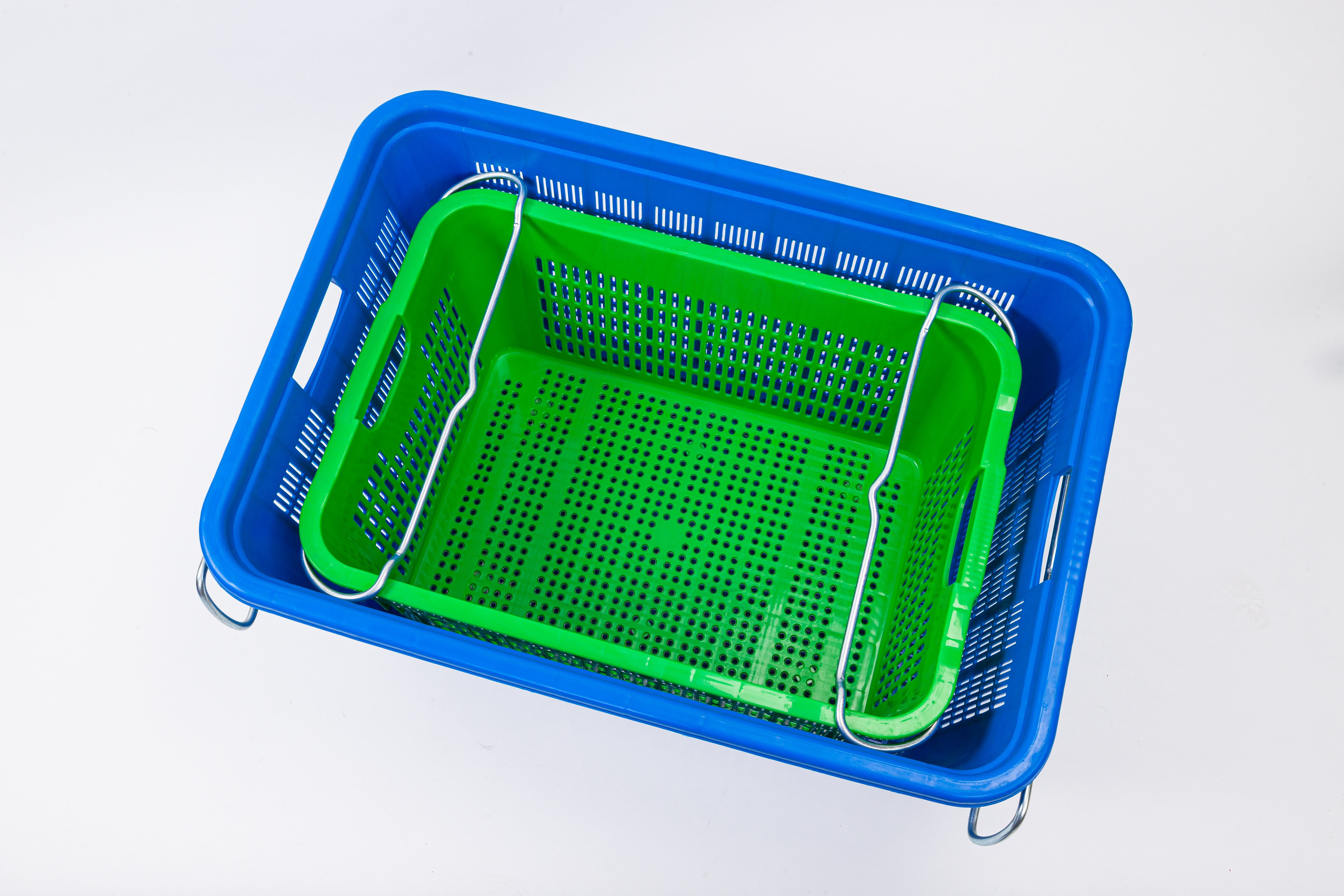
Static Load Capacity of Heavy Duty Plastic Crates
Typical weight limits for industrial-grade heavy duty plastic crate (500–2,500 kg range)
Heavy duty plastic crates used in industrial settings can hold anywhere between 500kg and 2,500kg depending on what they're made from and how they're built. Crates made with HDPE usually manage around 800 to 1,500kg because of their strong tensile properties. The real heavy lifters though are those reinforced with fiberglass composites that can actually take the full 2,500kg load without failing. When picking crates for specific jobs, industry needs matter a lot. The automotive sector often needs something in the 700-1,200kg range for transporting parts, while farms generally work fine with lighter duty options between 500-800kg. Before any crate gets certified for these weight ratings, it has to pass some pretty rigorous tests according to ISO 8611-3 standards. This means putting them under maximum weight for 72 straight hours during compression testing to make sure they won't let down when put to work in actual conditions.
Why heavy duty plastic crates outperform wood and metal in controlled static loading
In static storage environments, heavy duty plastic crates deliver measurable advantages over traditional materials:
- Consistent load distribution eliminates localized stress points that cause splitting or nail pull-out in wooden crates
- Moisture resistance preserves dimensional stability and load-bearing integrity—improving long-term load retention by +15% versus wood in humid conditions
- Corrosion immunity maintains 98% of original compressive strength after salt exposure, compared to metal’s 20% degradation
- Creep resistance limits deformation to under 2% over six months, far outperforming wood’s 7–11% creep under identical loads
These properties extend service life by ~30% and significantly reduce product damage during extended static storage—making plastic the most reliable choice where load stability is non-negotiable.
Key Design and Material Factors That Determine Load Limits
HDPE vs. PP vs. reinforced composites: Strength, creep resistance, and compressive behavior
What materials we choose has a big impact on how well a heavy duty plastic crate performs when stationary. HDPE is great at resisting impacts, no doubt about that, but it doesn't hold up so well against creep resistance. This means if something weighing around 800 kg sits on it for too long, the plastic will slowly start to deform. Then there's PP which gives us better stiffness and handles heat pretty well, although watch out when temperatures drop below freezing point because this material gets quite brittle. For those really tough applications where weight matters, reinforced composites come into play. These are usually made from polymers strengthened with glass fibers. They offer amazing strength while keeping things light, plus they resist deformation much better than standard plastics. Plus these composite materials stand up to environmental stress cracking far longer than their non-reinforced counterparts.
| Property | HDPE | PP | Reinforced Composites |
|---|---|---|---|
| Max Static Load | 800–1,200 kg | 1,000–1,500 kg | 1,800–2,500 kg |
| Creep Resistance | Moderate | Good | Excellent |
| Compressive Failure | Ductile deformation | Brittle fracture | Minimal deformation |
The embedded reinforcement network in composites increases compressive force tolerance by 40% versus standard polymers—distributing stress uniformly across the structure.
Structural engineering essentials: Rib geometry, wall thickness, and base reinforcement in heavy duty plastic crates
It's not just about the materials used, but how they're structured that really makes all the difference in achieving good static load capacity. When we look at rib patterns, whether they follow radial designs or grid layouts, these can actually make things much stiffer too. Some tests showed around a quarter increase in rigidity without adding any extra weight, which helps stop those annoying sidewall bulges from happening. For walls thicker than 4 millimeters, there definitely is better compressive strength, though engineers need to watch out for where stresses might build up at connection points. And when it comes to supporting the base properly, several reinforcement strategies work well depending on the specific application requirements.
- Interlocking foot grids that channel vertical load transfer
- Double-walled foundations that resist deflection under sustained pressure
- Chamfered edges that dissipate point loads across broader surface areas
Together, these features maintain structural fidelity even when loaded to 80% of maximum capacity for extended periods.
Real-World Environmental and Operational Impacts on Load Integrity
Temperature extremes, UV exposure, and chemical contact: How degradation reduces long-term load capacity
Environmental exposure silently erodes load integrity. Sub-zero temperatures embrittle HDPE, increasing fracture risk; prolonged UV radiation severs polymer chains—cutting impact resistance by up to 40% after 18 months outdoors; and chemical contact (e.g., oils, solvents, acids) induces swelling and stress corrosion that weakens load-bearing walls.
Cumulative degradation manifests without obvious signs:
- A crate rated for 1,500 kg may safely support only 900 kg after three years of UV exposure
- Chemical damage can reduce load capacity by 30% before visible surface changes appear
- Repeated thermal cycling creates micro-fractures in base reinforcement ribs, compromising long-term stability
Proactive inspection for discoloration, surface crazing, or subtle warping is essential. For crates operating beyond 24 months in harsh conditions, manufacturers advise derating maximum loads by 15–25% to preserve safety margins.
Testing Standards, Certification, and Avoiding Overstated Claims
Getting third party certification really matters when checking what products can actually hold. Standards organizations such as ISO with their 18613 standard for plastic containers and ASTM's D642 test for compression require labs to do real tests instead of just trusting what companies say. These tests happen in controlled environments both when things are still and when they're moving around, and typically push well beyond what manufacturers claim on their packaging. When suppliers don't have those official marks from places like NSF, TUV, or UL stamped on their gear, there's a good chance they might be exaggerating capacities somewhere between 15% to maybe even 40% higher than reality according to various industry checks over time.
Always request test reports detailing:
- Testing methodology, including duration, ambient temperature, and load distribution protocol
- Certification scope, clearly distinguishing static versus dynamic load ratings and environmental parameters
- Laboratory accreditation, confirmed via ISO/IEC 17025 compliance
Omitting this documentation invites operational failure and regulatory exposure. For full transparency, cross-reference certification IDs against the issuing body’s public database. Claims backed only by “internal testing” lack verifiable authority—robust performance claims withstand independent scrutiny.
FAQ
What is the typical weight limit for heavy duty plastic crates?
Heavy duty plastic crates used in industrial settings can hold anywhere between 500kg and 2,500kg depending on their material and construction.
How do heavy duty plastic crates compare to wood and metal alternatives?
In static environments, heavy duty plastic crates offer advantages such as consistent load distribution, moisture resistance, corrosion immunity, and creep resistance compared to wood and metal.
What materials impact the performance of heavy duty plastic crates?
Materials like HDPE, PP, and reinforced composites impact a crate's performance. Reinforced composites generally offer the best strength and deformation resistance.
How does environmental exposure affect the load capacity of plastic crates?
Environmental factors like temperature extremes, UV exposure, and chemical contact can degrade the material, reducing long-term load capacity.
Why is third-party certification important for plastic crates?
Third-party certification ensures that crates have been properly tested for their load capacity, preventing failure and overstated claims.
Table of Contents
- Static Load Capacity of Heavy Duty Plastic Crates
- Key Design and Material Factors That Determine Load Limits
- Real-World Environmental and Operational Impacts on Load Integrity
- Testing Standards, Certification, and Avoiding Overstated Claims
-
FAQ
- What is the typical weight limit for heavy duty plastic crates?
- How do heavy duty plastic crates compare to wood and metal alternatives?
- What materials impact the performance of heavy duty plastic crates?
- How does environmental exposure affect the load capacity of plastic crates?
- Why is third-party certification important for plastic crates?

