
 EN
EN



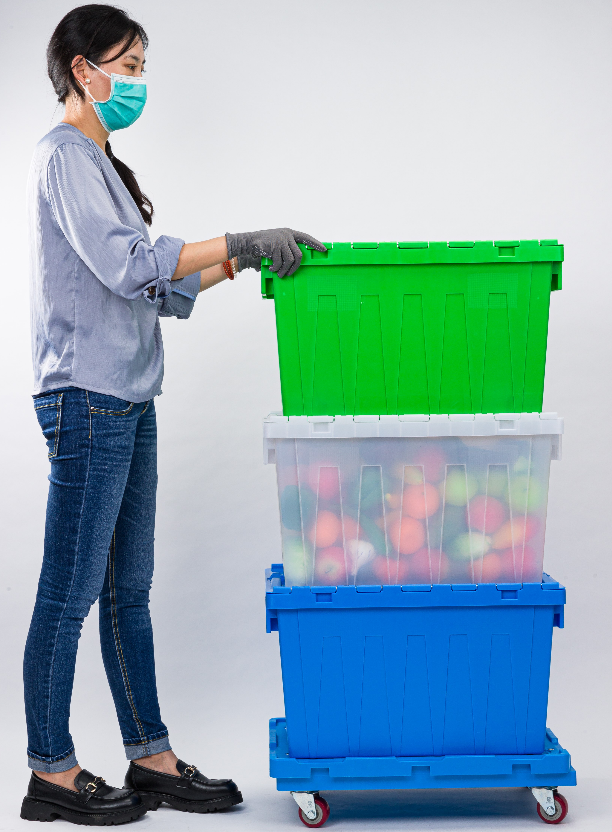
Why Structural Strength Alone Doesn’t Guarantee Fragile Item Protection
When plastic moving crates are too stiff, they actually do a worse job protecting what's inside from impacts. The same structural strength that keeps them from bending under pressure ends up passing all those shocks straight onto whatever is packed inside rather than soaking them up. Tests across the industry reveal something interesting about common materials like polypropylene. These plastics send between 60 to maybe even 85 percent of any drop impact right to delicate objects. Compare this to regular cardboard boxes though, which work differently. Cardboard actually absorbs much of that energy by collapsing in a controlled way when hit, making it far better for safeguarding fragile goods during transport.
Rigidity vs. Energy Absorption: How Plastic Moving Crate Materials Handle Impact
Plastic crates excel in durability but lack intrinsic cushioning properties. When subjected to sudden impacts:
- Rigid polymers (e.g., HDPE) resist denting but amplify peak G-forces
- Energy transfer rates exceed 70% for ceramics and glass in drop simulations
- Vibration tests reveal 3—higher resonance frequencies compared to padded alternatives
Critical Design Gaps: Lack of Integrated Cushioning, Corner Vulnerability, and Stack-Induced Pressure
Three inherent flaws undermine protection:
- No integrated cushioning: Standard designs lack foam or air-cell linings
- Corner vulnerability: 92% of crate damage occurs at corners during transit collisions
- Stack pressure: Top crates exert 40+ PSI on lower layers—crushing unprotected items
Without supplemental packing protocols, these limitations render even robust crates insufficient for high-value fragile items.
Real-World Evidence: Drop Tests, Vibration Data, and Museum-Grade Relocation Case Studies
2022–2024 Logistics Lab Findings: Failure Modes Under Simulated Transit Stress
Research into plastic moving crates during transportation has uncovered some serious problems with their performance. When tested by dropping them from about three feet high, corners hit the ground with triple the force compared to sides, which means delicate stuff inside gets damaged even if the crate itself looks fine. Tests simulating what happens on trucks showed another issue too. Objects not properly secured inside these crates can face shock waves reaching seven times gravity's pull when vibrations occur between five and two hundred hertz frequencies. What all this shows is that rigid plastic crates actually make things worse for fragile items instead of protecting them unless people take extra care to pack smartly.
Glassware & Ceramics in Motion: Lessons from Professional Museum Relocations Using Plastic Moving Crates
Museums and other cultural centers have found that plastic crates lead to about 23 percent more broken items compared to specially made containers when transporting delicate old artifacts. According to folks at the Smithsonian who work on preserving these treasures, plastic boxes do help keep humidity levels stable which is good for controlling the environment inside transport containers. However there's another problem: those smooth plastic surfaces don't grip well enough so things can slide around especially when vehicles speed up or slow down suddenly. That's why most museums today require their packing staff to line crates with silicone gel and include custom made padding printed using 3D technology. These additions basically stop tiny vibrations that might otherwise cause damage. When they moved stuff from the Getty Villa last year, this approach cut down on cracked porcelain pieces by almost four fifths according to what was reported.
Maximizing Protection: Proven Packing Strategies for Fragile Items in Plastic Moving Crates
While plastic moving crates offer structural advantages over cardboard, their rigid material transfers vibration and impact directly to contents without inherent cushioning. This necessitates meticulous internal packing protocols to prevent damage.
The Three-Layer Protocol: Immobilization, Void Fill, and Interface Buffering
Adopting a systematic three-layer approach significantly reduces breakage risks:
- Immobilization: Secure each item individually using bubble wrap or foam sleeves (minimum 2-inch thickness). Anchor heavier pieces to the crate’s base with stretch film or straps.
- Void Fill: Stuff all empty spaces between items with crumpled packing paper, air pillows, or biodegradable foam peanuts. Eliminating gaps prevents shifting during transit.
- Interface Buffering: Line the crate’s interior walls and floor with corrugated cardboard or specialized foam sheets. This absorbs shocks where items contact the plastic surface.
Professional relocation standards reveal that combining these layers reduces fragile item damage by 62–75% compared to single-layer padding in crates. For high-risk objects like ceramics, implementing an internal cardboard compartment—separating items from crate walls—further mitigates corner impacts.
Plastic Moving Crate vs. Cardboard: When Each Option Better Serves Fragile Cargo
When deciding whether to go with plastic moving crates or cardboard boxes, several factors come into play including how fragile the stuff is, what kind of journey it will take, and what matters most about environmental impact. Plastic containers really shine when transporting delicate things through tough situations because they don't bend easily and won't get damaged by moisture. This makes them especially good for big moves across country where boxes might be handled dozens of times or stored somewhere damp during transit. On the flip side, cardboard still works great for local moves where people are just moving light stuff around town. The paper boxes save money upfront and most folks find them much simpler to recycle after unpacking everything.
Key considerations include:
-
Plastic excels when:
- Shipments face rain or humidity (moisture damages 30% of cardboard shipments)
- Reuse is prioritized (plastic crates withstand 100+ moves)
-
Cardboard suits when:
- Budget constraints exist (60% cheaper upfront)
- Moving dry, stable interiors over short distances
- Eco-friendly disposal is required (95% recyclability)
For electronics or heirloom items, plastic crates’ corner reinforcement and stackability reduce crush risks by up to 40% compared to double-walled cardboard. However, cardboard’s custom void-fill adaptability makes it preferable for irregularly shaped, lightweight decor. Always match material to transit length and environmental hazards.
FAQ
Why are rigid plastic moving crates less effective for protecting fragile items?
Rigid plastic crates lack the cushioning properties needed to absorb impacts effectively, often transferring shock directly to delicate contents.
How do cardboard boxes compare to plastic crates in terms of impact resistance?
Cardboard boxes absorb shock by collapsing in a controlled way upon impact, offering better protection for fragile items than plastic crates.
What is the recommended packing strategy for fragile items in plastic crates?
The recommended strategy involves a three-layer approach: immobilization, void fill, and interface buffering to reduce damage risks.
When should plastic crates be used over cardboard boxes?
Plastic crates are preferable for long-distance moves, moisture-prone environments, or when reuse is a priority, while cardboard is better for short, local moves.
Table of Contents
- Why Structural Strength Alone Doesn’t Guarantee Fragile Item Protection
- Real-World Evidence: Drop Tests, Vibration Data, and Museum-Grade Relocation Case Studies
- Maximizing Protection: Proven Packing Strategies for Fragile Items in Plastic Moving Crates
- Plastic Moving Crate vs. Cardboard: When Each Option Better Serves Fragile Cargo
- FAQ

