 ×
×
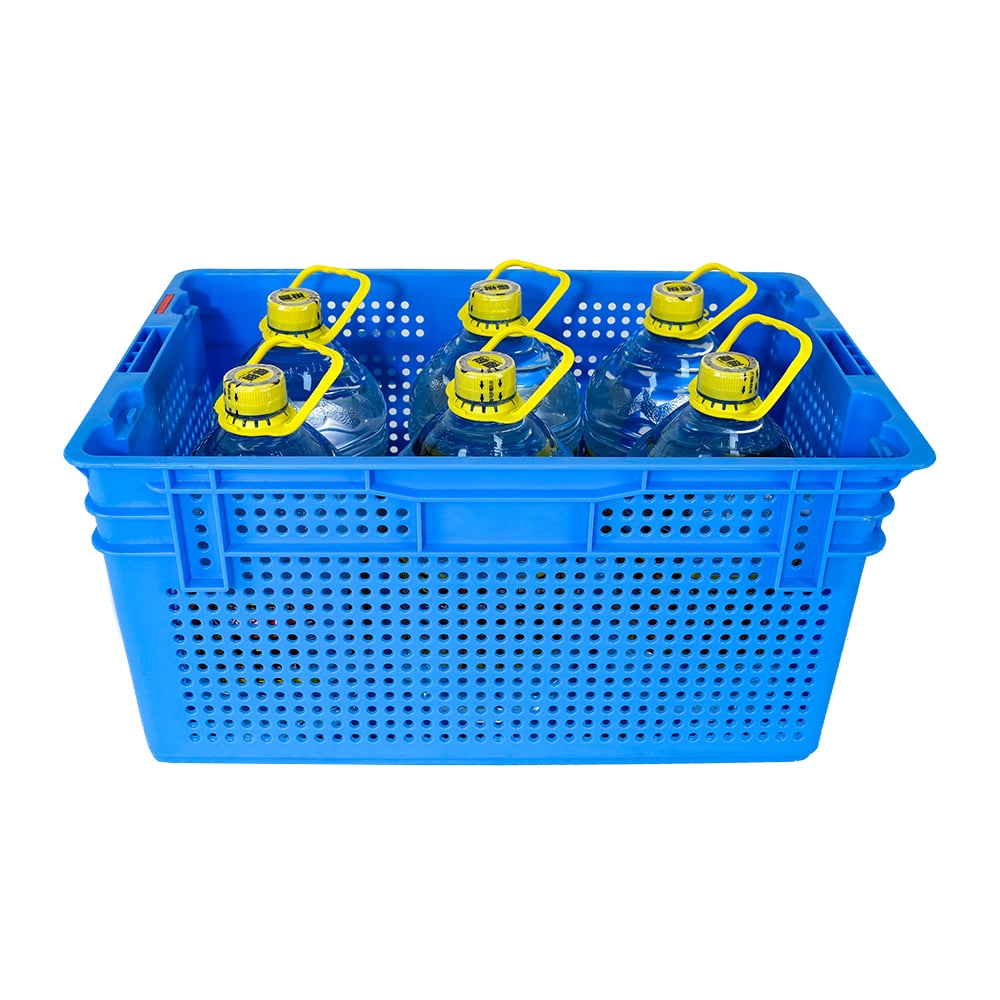
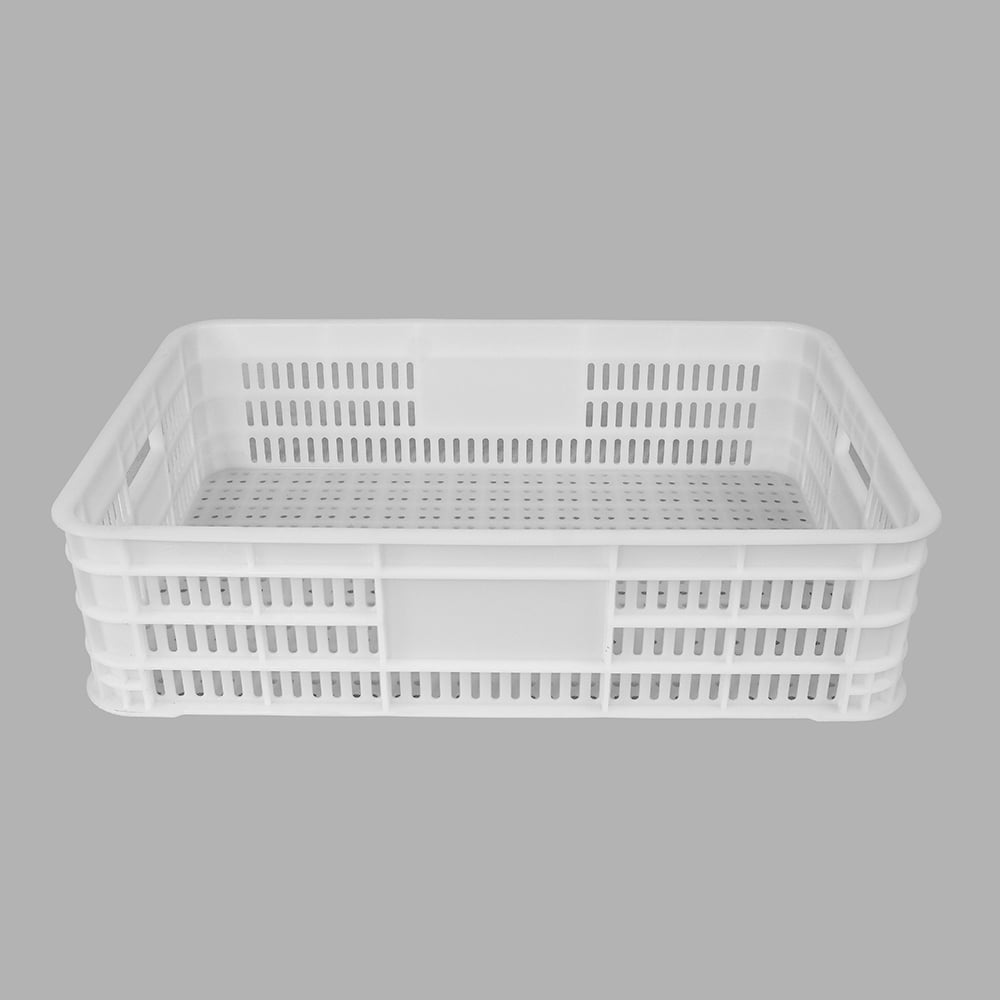
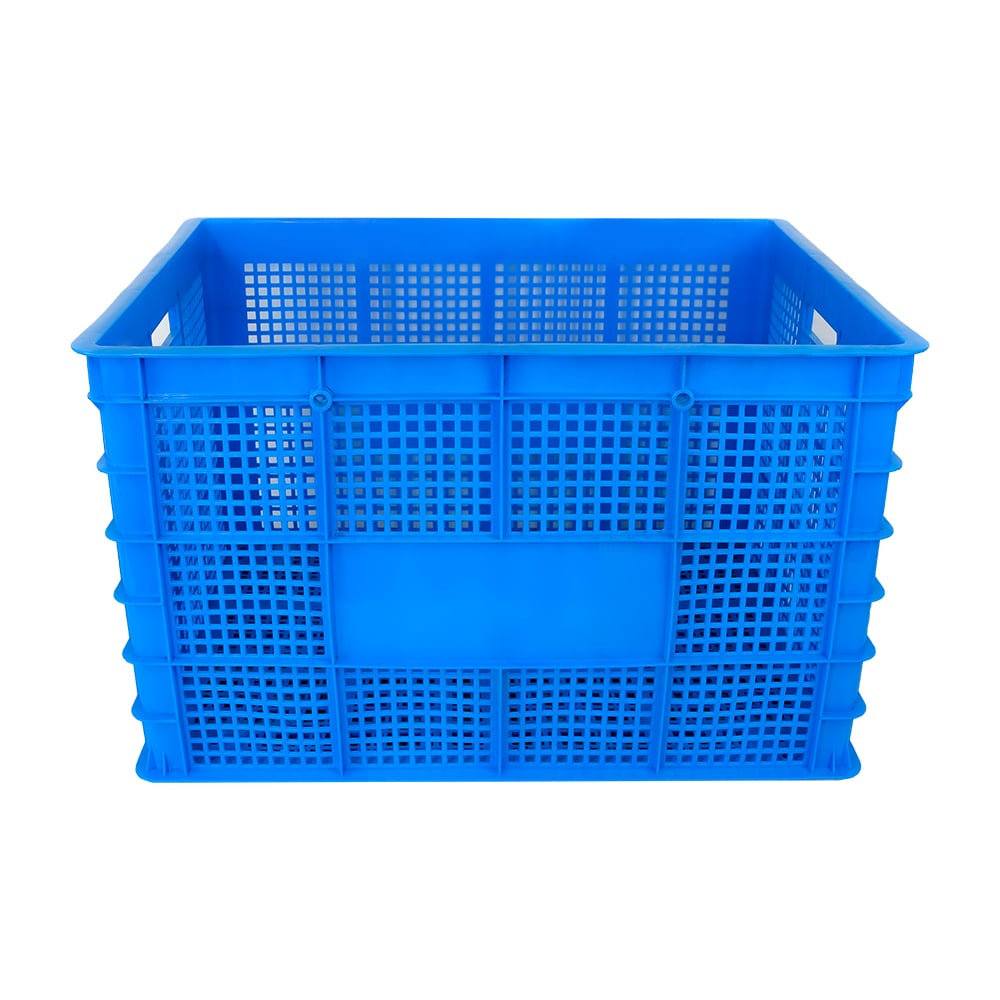
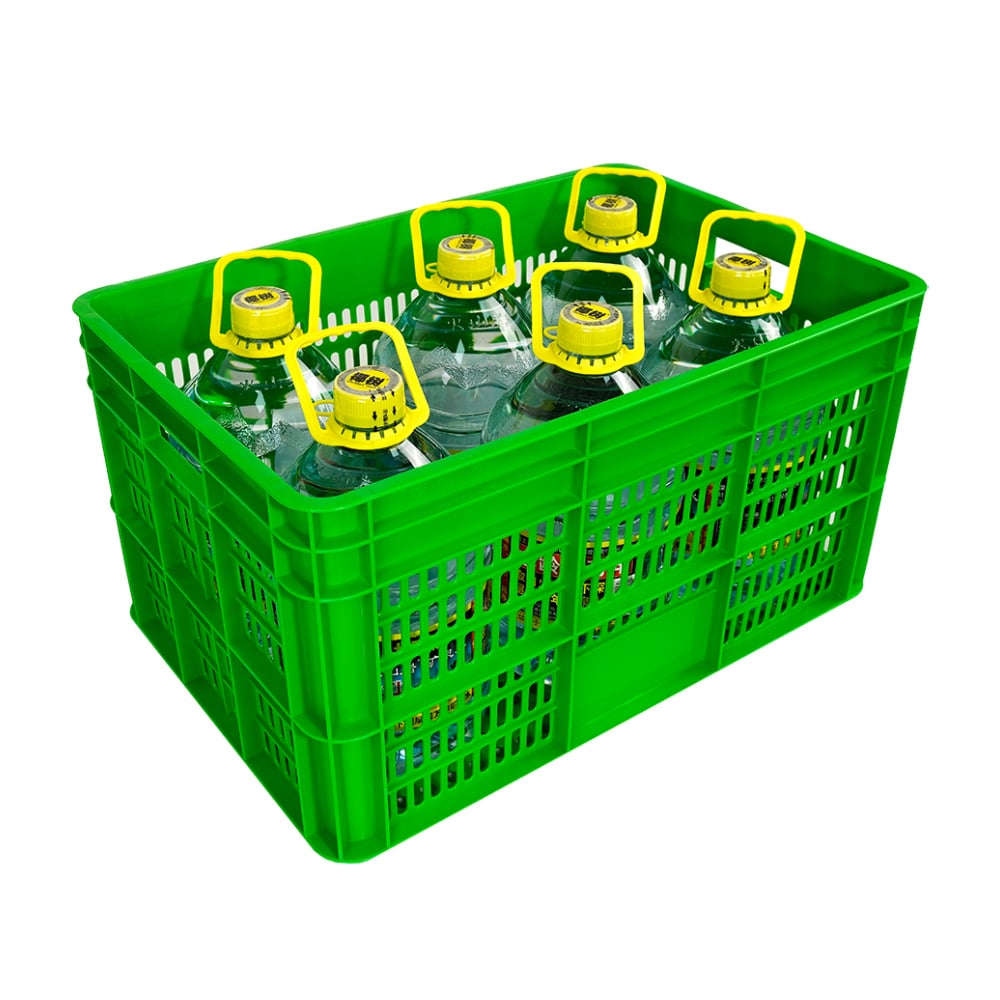
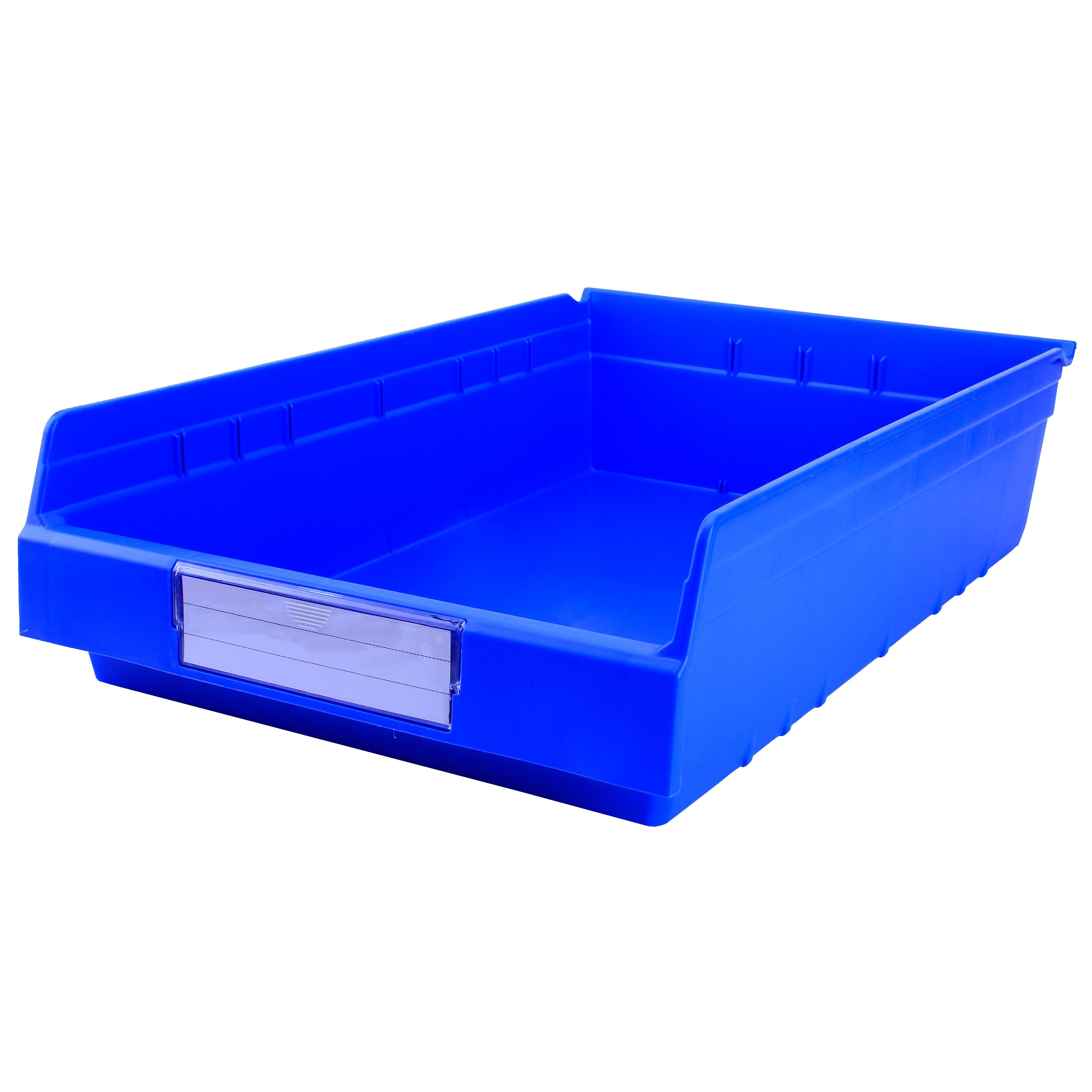
Stackable plastic storage bins come in all sizes from tiny 1 gallon ones up to massive 50 gallon versions, each with their own special purpose. The smaller stuff (anything under 10 gallons) really shines in tight spaces like retail storerooms, craft corners at home, or those cluttered office supply rooms nobody wants to clean. These little guys keep screws, pens, and electronic parts organized without taking up much room. When we get to mid sized bins between 11 and 30 gallons, things get interesting for warehouse managers and workshop owners. These containers handle decent loads while still being manageable for workers to move around. Then there are the big boys from 31 to 50 gallons that dominate industrial settings. Automotive factories rely on them for parts storage, construction sites use them for materials waiting to be moved. A recent study by the Materials Handling Institute found that most warehouses actually prefer bins in the 20-40 gallon sweet spot. Makes sense really because they hold enough stuff without becoming impossible to stack safely after repeated use.
The space inside determines how much stuff fits, but when it comes to outside measurements, most containers stick to standard sizes so they stack properly even if one is taller than another. Companies tend to keep their boxes in similar proportions, usually around 4 to 3 or square shapes, within each line of products. That means the bottom stays the same size no matter how deep the container gets. Only the height changes as needed for different capacities, which helps keep things stable and stops them from tipping over sideways. Take for instance...
| Capacity | Typical Dimensions (inches) | Footprint Ratio |
|---|---|---|
| 15 gal | 24x18x14 | 4:3 |
| 30 gal | 24x18x28 | 4:3 |
| 50 gal | 32x24x26 | 4:3 |
The modular design allows for different levels of storage setup. Deeper containers hold stuff we don't need often down below, while the shallow ones are placed on top where they can be reached every day, and everything still lines up properly without any structural issues. This kind of organization follows those industry standard guidelines from ANSI and ISO about how containers should work together across different systems. Plus, independent safety tests have confirmed these designs meet all necessary requirements for workplace use.
The SAMLA and VIDGA product lines from IKEA really showcase what good modular design looks like. All the storage bins in these ranges have exactly the same base size no matter if they hold 15 liters, 30 liters, or even 60 liters. This means they line up perfectly when stacked vertically. The height increases follow set measurements usually around 15 centimeters or 30 centimeters apart. Special ridges built into each bin help lock them together and spread out pressure so nothing gets damaged. These features stop bins from shifting sideways when stacked high or moved around, which is super important in crowded retail warehouses. When bins don't align properly, it takes longer to restock items and creates safety hazards for workers. Research done on warehouse operations shows that these kinds of aligned storage systems can cut down wasted space by about 18 percent. That means businesses get more storage capacity without having to invest in expensive custom shelving solutions.
Both Sterilite and Rubbermaid have made sure their products work together across different lines. The plastic stackable bins they make all fit into standard sizes like around 40 by 60 centimeters or 50 by 80 centimeters no matter how deep or big they are. The lids snap shut using the same four corner clasps throughout their range, which means they lock securely but can still be opened with just one hand whether its a small organizer or something meant for heavy duty storage. As bins get bigger, the walls get thicker too so even the smaller ones can handle being stacked multiple levels high without breaking under pressure. Warehouse managers report that these consistent dimensions cut down on misplaced items by about 27 percent when companies need to rearrange their facilities since everything fits exactly the same on shelves, pallets, and those automated conveyor belts used in distribution centers.
The actual size limitations for those plastic stackable storage bins aren't really about what companies advertise but what physics actually allows safely. The basic rule of thumb? Height versus base width matters a lot. When bins get too tall compared to their base (anything over 3 times taller than wide), they start becoming real unstable problems during warehouse operations or even just regular handling around the facility. Lid locks need to be strong enough for the job too. Anything above 30 gallons definitely needs better locking systems like reinforced tongues and grooves or those double lock mechanisms we see on industrial grade bins. Most folks don't realize how important weight distribution is either. Putting too much stuff near the top of a tall bin can create serious stress points at the bottom, sometimes making things wobble dangerously. Smart manufacturers know this and build in thicker walls where needed, add ribs for extra support, and shape sides so they taper slightly. These design choices have been tested properly according to standards like ASTM D6179 drop tests and ISO 8611 stacking simulations. Anyone dealing with heavy loads or frequent stacking should always go for bins designed with lower centers of gravity and proper load certifications instead of chasing after maximum capacity numbers on the box.
Standard sizes range from 1 gallon to 50 gallons, with common mid-range sizes being between 20-40 gallons for optimal warehouse stacking.
The capacity determines the volume inside, but external dimensions usually maintain a consistent footprint with varying heights for stability and stacking.
Consider the height-to-base ratio, secure lid interlocking, and proper weight distribution to ensure the safe stacking and handling of bins.
 Hot News
2025-03-31
2025-03-31
2025-03-31


 EN
EN