 ×
×
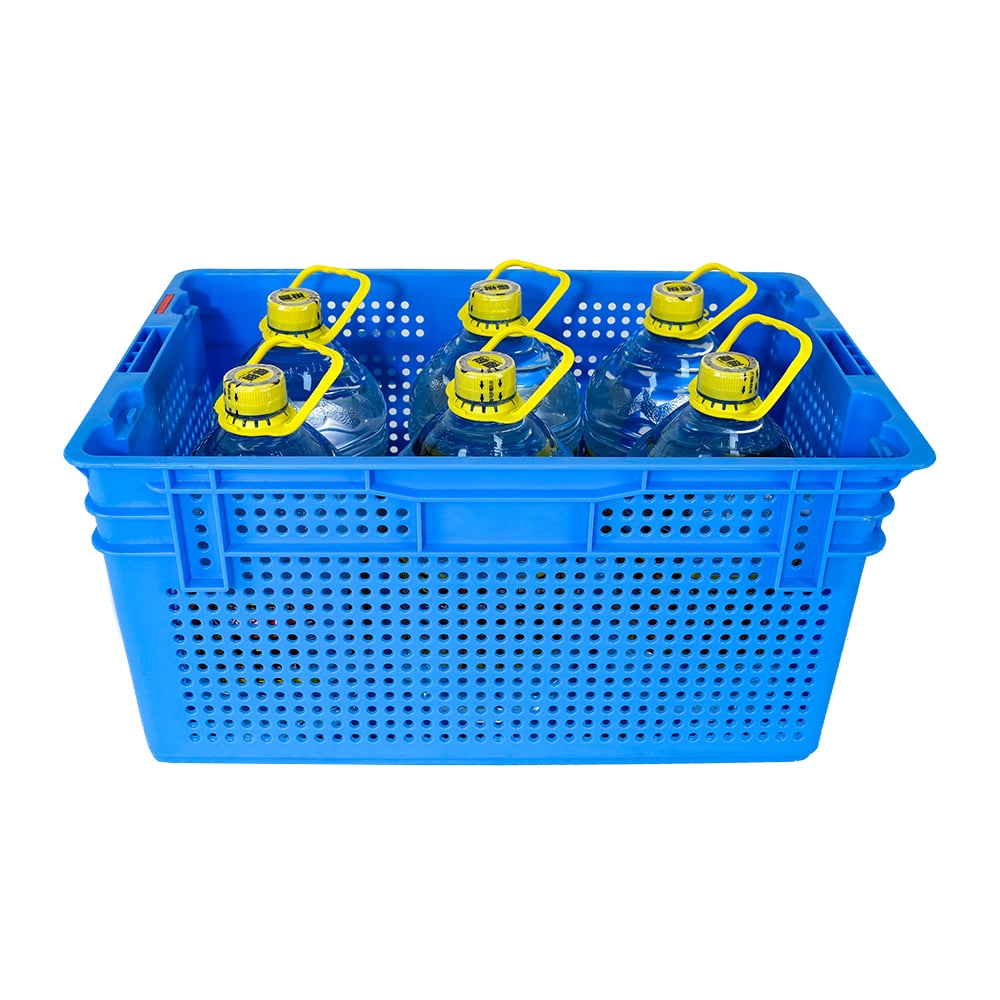
Vertical stacking significantly enhances storage efficiency by utilizing otherwise wasted overhead space, a key benefit of plastic stackable storage bins. These containers allow users to store up to 300% more items within the same floor footprint compared to non-stackable alternatives, according to a 2023 warehouse optimization study.
Modern storage strategies emphasize vertical space due to shrinking floor areas in urban homes and commercial facilities. Stackable bins with reinforced bases and interlocking lids support stable, tall configurations while protecting fragile contents, making them ideal for both residential and industrial use.
By shifting storage upward, businesses can reclaim 60–80% of floor space previously occupied by sprawling shelving units. Retailers using vertical stacking report faster inventory access and fewer clutter-related accidents, improving both operational efficiency and workplace safety.
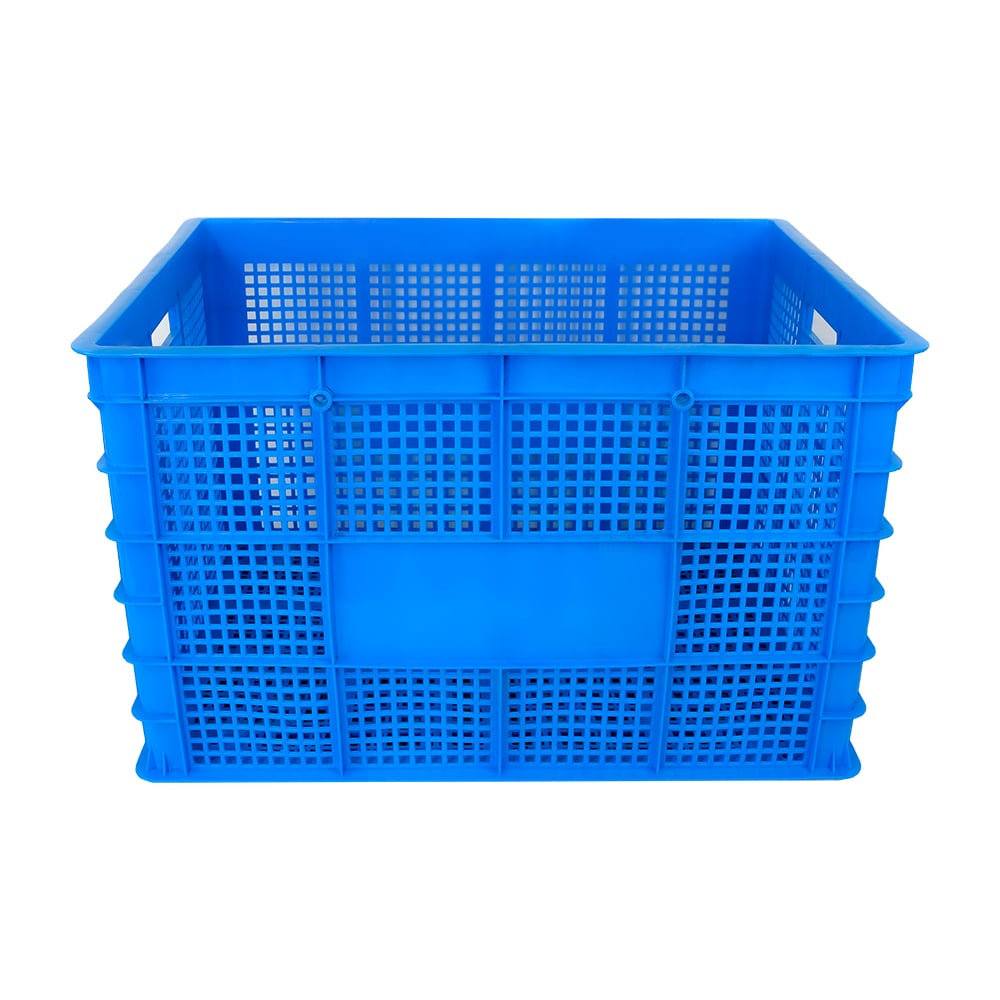
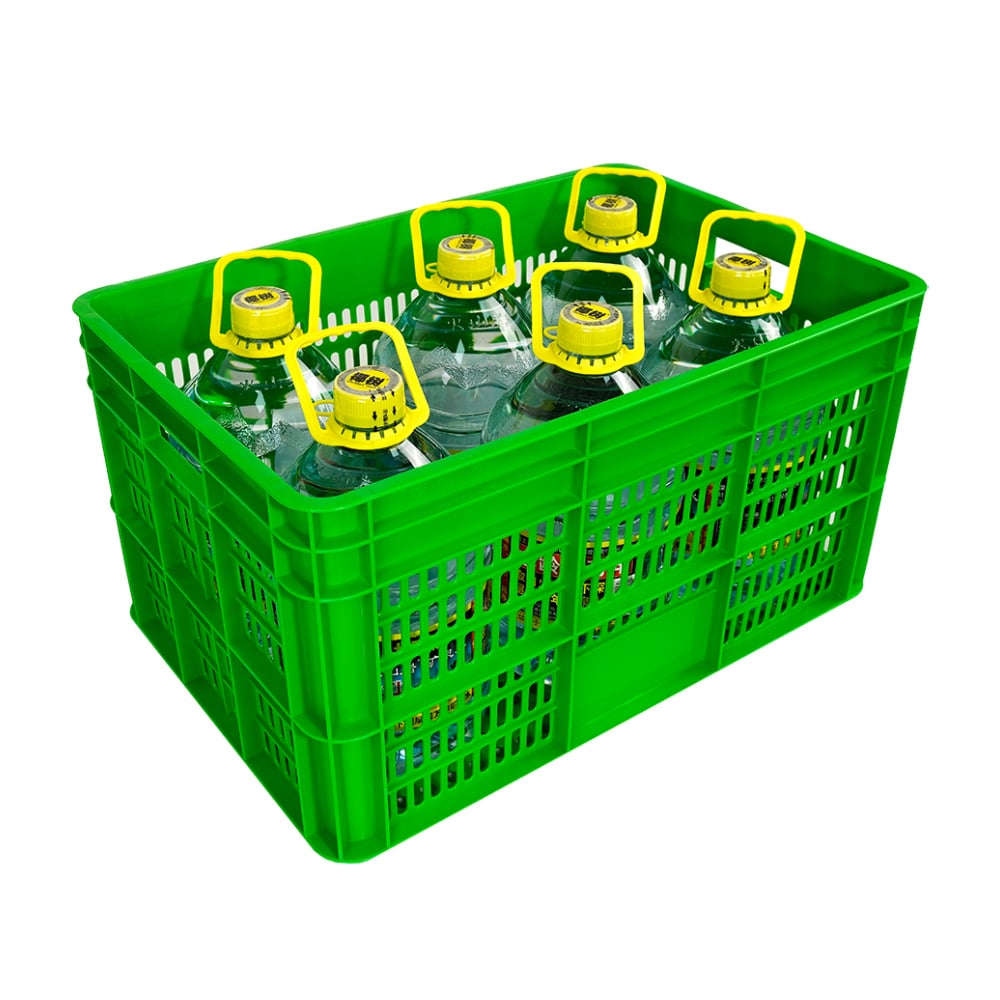
Top-tier designs feature tapered walls for secure nesting, ventilation holes to reduce weight, and standardized dimensions that ensure cross-brand compatibility. A 2024 material science analysis found that bins with ribbed exteriors improve load distribution by 42% over flat-sided models, enhancing stability in multi-tier stacks.
A manufacturing facility reduced annual storage costs by $18,000 after implementing a vertical stacking system, achieving 92% space utilization in its 10,000 sq ft warehouse. Modular steel cabinet integrations enabled seamless scalability as inventory expanded (Workspace NW, 2024).
Urban dwellers use stackable bins 31% more frequently than suburban residents, driven by smaller living spaces and minimalist lifestyles. Sales of compact storage solutions rose 27% year-over-year in 2023, outpacing traditional storage products.
Modular plastic stackable storage bins bring order to chaotic environments through customizable configurations. Users can combine small bins for craft supplies or large ones for seasonal clothing, adapting layouts to room size or evolving needs. This flexibility eliminates gaps between containers and maintains clear visibility of stored items.
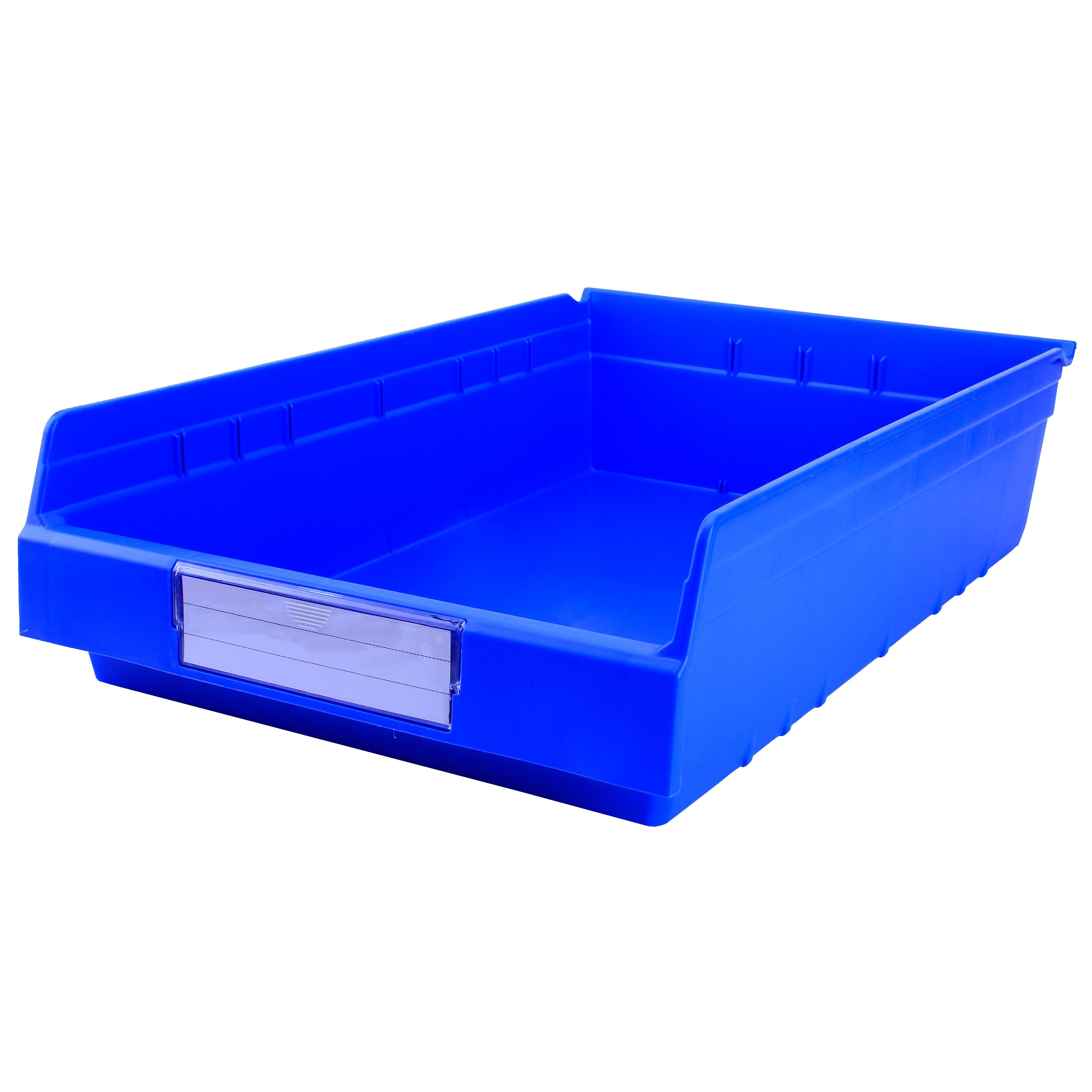
Labeling bins with contents or usage zones—such as "Winter Accessories" or "Gardening Tools"—reduces retrieval time by 43%, according to organizational efficiency studies. Transparent front panels paired with printed tags enable instant recognition, while removable label holders make it easy to update categories during seasonal changes.
Assigning colors to priority levels or individuals streamlines organization—red for urgent projects, blue for archived files. Industrial research shows color-coded systems reduce error rates by 31% in inventory management, a principle equally effective in home offices, pantries, or workshops.
Effective storage combines visual cues like color gradients (light-to-dark based on frequency of use) with ergonomic placement—everyday items at eye level, infrequently used objects higher up. Slim-profile stackable bins support shallow wall-mounted arrangements, preserving floor space while keeping contents accessible.
Stackable plastic storage bins come with built-in strength features that let them hold quite a bit of weight without collapsing. The ribs running down their sides stop them from bending out of shape when packed full, while the handles are designed so workers don't strain themselves moving stuff around. Warehouse folks know all too well what happens when containers give way - according to a recent study in the Occupational Safety Journal, nearly two thirds of warehouse managers report broken or failed containers as one of the top reasons for on-the-job injuries back in 2023. That's why these reinforced designs matter so much in day to day operations.
High-density polyethylene and polypropylene create impact-resistant containers that resist cracking. Facilities using reinforced bins reported a 40% reduction in slip-and-fall incidents compared to those using traditional storage methods (2023 logistics study). Wide stacking ledges and anti-slide stops further enhance stability, especially in tall vertical setups.
Non-porous surfaces and seamless construction allow quick sanitation with standard disinfectants—essential for healthcare and food processing environments. Plastic bins require 75% less cleaning time than textile or metal alternatives while maintaining microbial resistance, according to industry research.
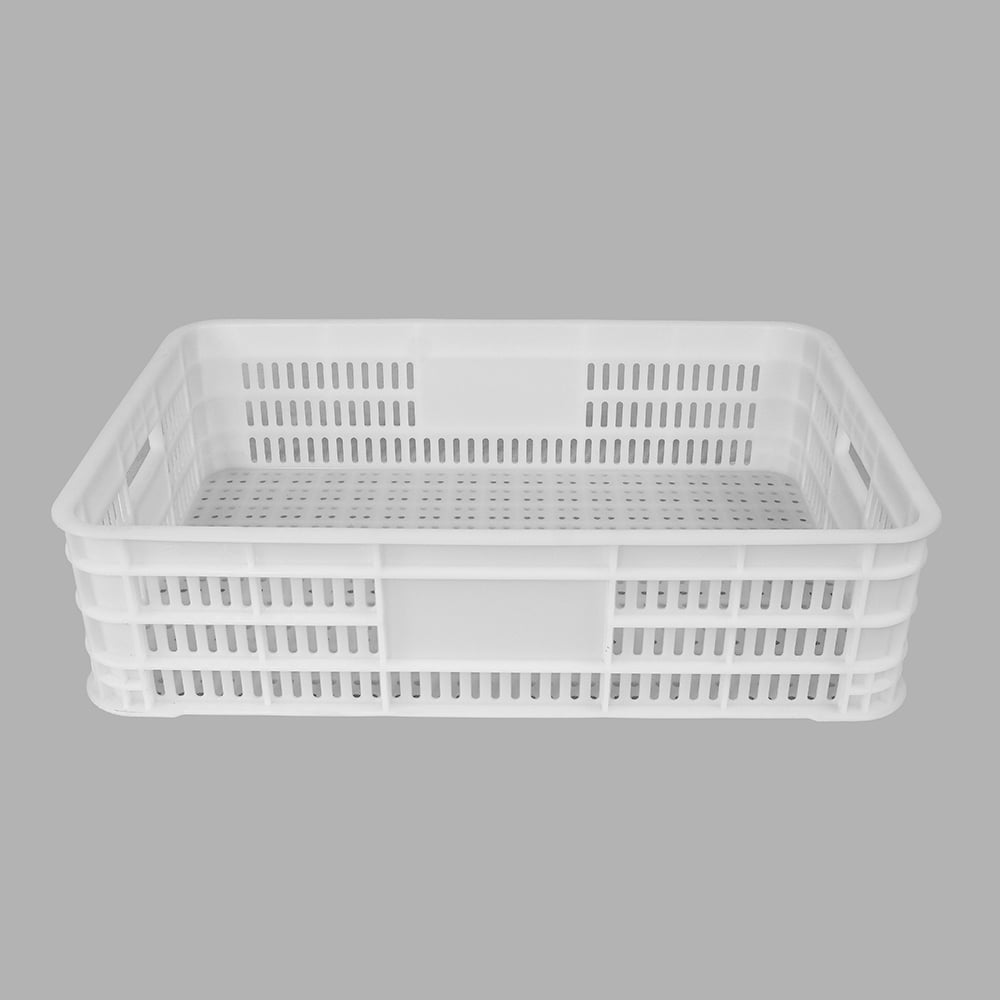
Stackable plastic storage bins come in all sorts of versions depending on what someone actually needs. The open front models let people grab stuff right away without having to take apart whole stacks, which makes them super handy in places like hospitals or repair shops where folks need to get things out quickly throughout the day. Then there are those four sided containers that keep everything inside safe from dust and damage, perfect for storing delicate parts or tiny components. And some bins have dividers inside that can be moved around, so users can organize their stuff exactly how they want it arranged without wasting space.
Accessories like removable dividers, label holders, and hanging clips extend functionality. Label systems reduce search time by 40% in cluttered environments by establishing visual hierarchies, according to workplace efficiency studies. Hanging features enable integration with shelving or wall racks, combining vertical and horizontal storage approaches.
Today’s storage demands require adaptable systems. Modular bins can be rearranged into custom layouts—L-shaped units for corners or tiered stacks for high-traffic zones. This flexibility benefits e-commerce operations with fluctuating inventory and urban households maximizing limited square footage.
Switching to reusable plastic stackable bins can really cut costs in the long run. Studies from Material Handling Institute back this up, showing businesses save between 60 to 80 percent on replacement costs after just five years when they ditch those flimsy cardboard boxes and wooden crates. Companies that made the switch reported about 37% less spending on materials overall. Why? Because these bins last longer and generate way less trash. Plus, their modular design means companies don't have to replace entire systems every time something breaks. For regular folks at home, the numbers are pretty impressive too. Most families end up saving around $230 each year once they stop buying cheap storage containers that fall apart after a few months of use.
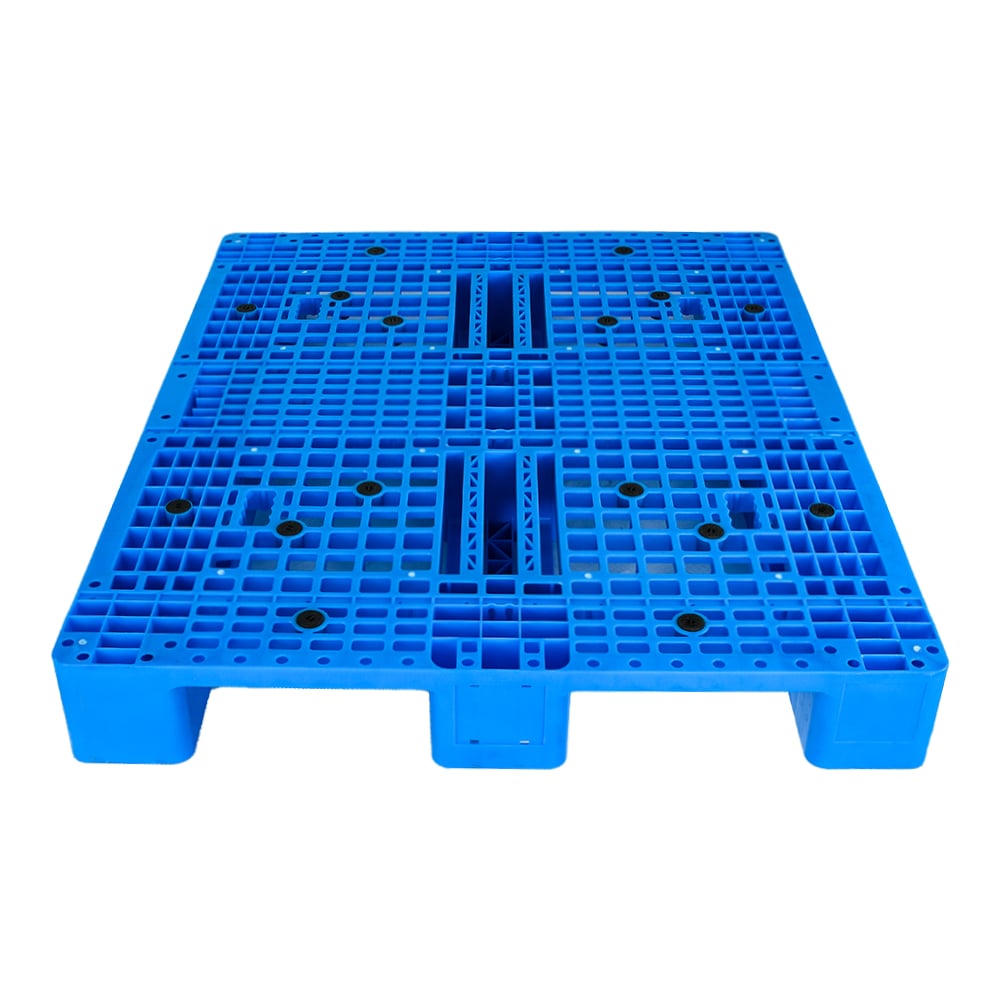
Polypropylene bins can be recycled at around 89%, which keeps roughly 12 million tons out of landfills each year when compared to those old mixed material containers we used to see everywhere. According to research published last year, making these plastic bins actually takes about 34 percent less energy than producing metal ones, plus they need significantly less water too—something like half what goes into manufacturing textile organizers. And there's another benefit worth mentioning: because they last so long, companies can stack them on pallets much better, maybe around 18% improvement in efficiency. This means fewer trips for delivery trucks, which cuts down on all those carbon emissions from transportation that nobody really likes talking about but everyone feels affected by.
Plastic stackable storage bins offer various benefits including maximizing floor space, enhancing organizational efficiency, durability, and cost-effectiveness. They utilize vertical space, provide safety due to reinforced designs, support hygiene with easy cleaning, and contribute to sustainability through reusable materials.
Stackable bins allow users to store more items within the same floor footprint by utilizing overhead vertical space, hence saving up to 300% of space compared to non-stackable storage units.
Yes, they're environmentally friendly as polypropylene bins can be recycled up to 89%, reducing landfill waste significantly and demanding less energy and water during production compared to metal or textile containers.
Modular bins enhance home organization by offering customizable configurations, adapting layouts to room size or needs, eliminating gaps, and providing clear visibility of stored items with labeling and categorization.
Types of stackable storage bins include open-front models for easy access, four-sided containers for dust protection of components, and dividable variants allowing flexible internal arrangement.
 Hot News
2025-03-31
2025-03-31
2025-03-31


 EN
EN