 ×
×
The static load capacity of a crate basically means how much weight it can hold when sitting still, but this number usually doesn't match what happens in actual use. When looking at dynamic load ratings instead, these tend to be about half as much as static numbers because of all those vibrations, bumps, and uneven pressures that happen during transportation according to Material Handling Institute research from last year. Take forklift accidents for instance. Even minor collisions at around 5 miles per hour can cut down the real capacity of a crate by roughly 30% compared to what's printed on the label. Anyone working with automation systems or handling large volumes should focus on crates that have been tested according to ISO 8611-1 standards for dynamic loads. These tests include dropping crates from 1.2 meters high, checking how they handle rolling along sloped conveyor belts, and seeing if they maintain integrity when stacked multiple layers high.
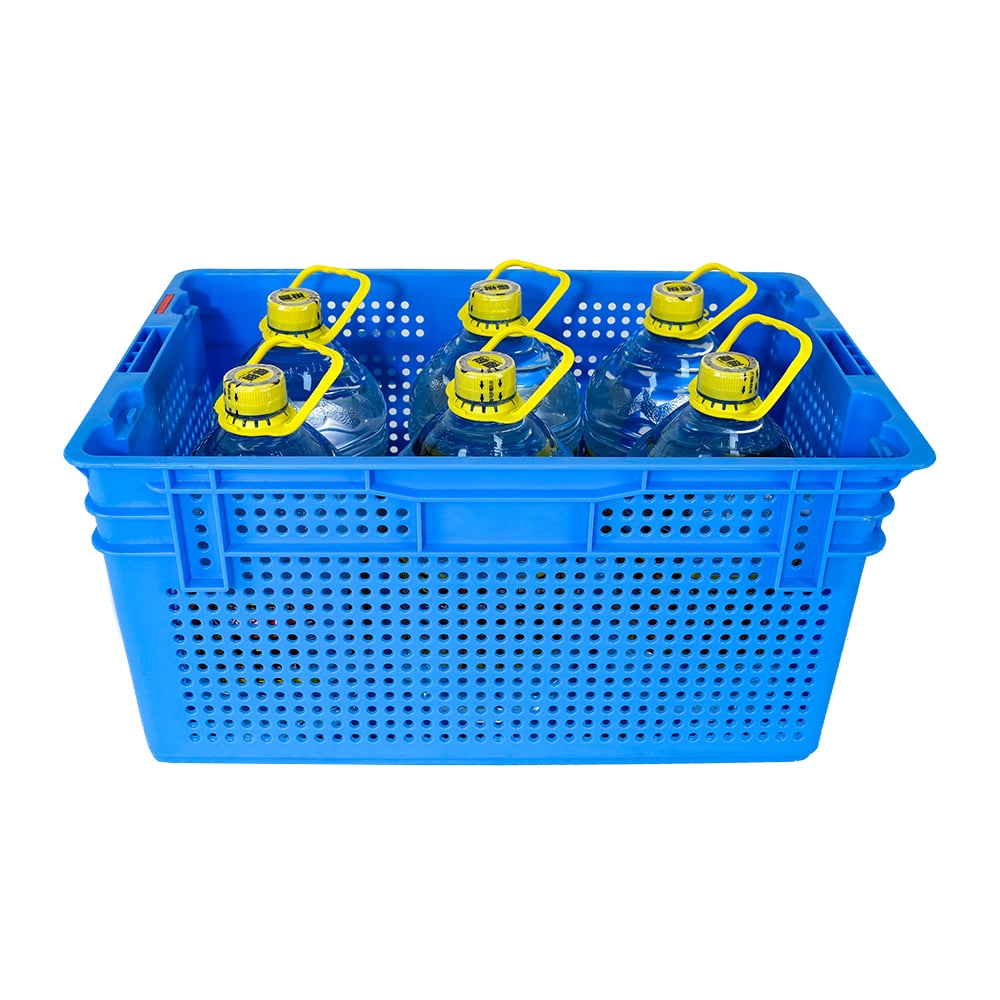
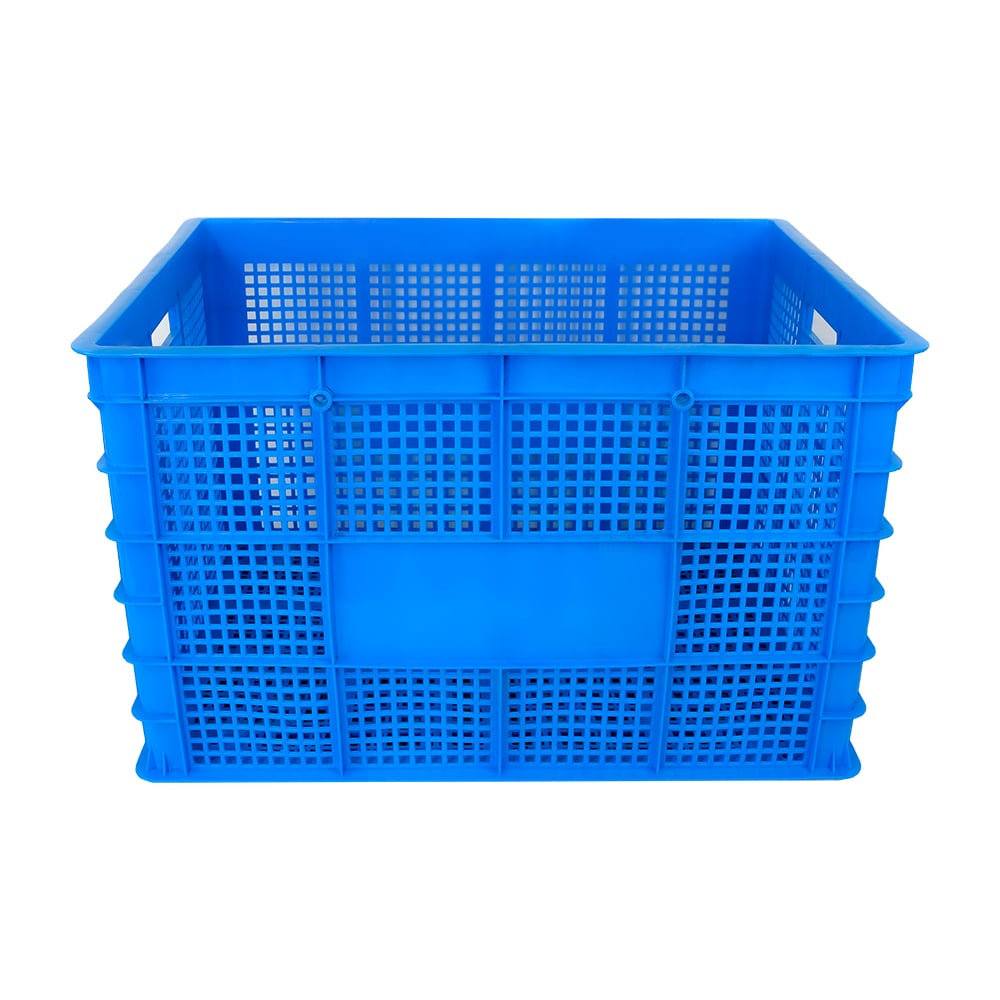
Durability hinges on intelligent structural engineering—not just material choice. Critical features include:
| Structural Feature | Minimum Performance Threshold | Failure Risk If Compromised |
|---|---|---|
| Corner thickness | ≥3.5mm with radiused edges | 67% higher crack incidence |
| Vertical ribs | 8—12mm height, <150mm spacing | 30% reduced stacking strength |
| Base grid density | Cross-ribs every 75—100mm | Load deformation >2mm at 80% capacity |
Handles must be integrally molded into sidewalls—not welded—to withstand pull forces exceeding 80 kg. Third-party ASTM D6179 crush testing confirms that properly reinforced designs reliably support 500 kg in multi-tier stacking scenarios.
When picking materials for outdoor applications, we need to consider what kind of environmental challenges they'll face. Think about things like extreme temperatures, physical impacts from daily use, and long term exposure to sunlight. HDPE is pretty tough stuff when it comes to impacts, working well from really cold conditions down to around minus 40 degrees Celsius all the way up to about 60 degrees. But watch out if temperatures climb past 80 degrees as this material starts to lose its structural integrity. Polypropylene handles heat better, standing up to temperatures around 100 degrees Celsius before issues start appearing. However, when temps drop below minus 20 degrees, PP gets quite brittle and prone to cracking. For situations requiring both high and low temperature tolerance, glass reinforced composites are often the go to choice. These materials maintain their properties between minus 30 and 120 degrees Celsius, plus they're stiffer than most alternatives and already come with UV protection built in thanks to special polymer treatments during manufacturing.
| Material | Optimal Temp Range | Impact Resistance | UV Stability (Unmodified) |
|---|---|---|---|
| HDPE | -40°C to 60°C | Excellent | Poor |
| PP | -20°C to 100°C | Moderate | Fair |
| Reinforced Composites | -30°C to 120°C | High | Excellent |
Field data shows reinforced crates last three times longer than standard HDPE in high-UV settings (Logistics Material Journal 2023). Always specify UV-inhibited additives for outdoor use—unprotected crates lose 40% of tensile strength after 18 months of sun exposure.
When it comes to proving quality standards, certifications act as reliable indicators across several critical areas like how long things last, safety factors, and meeting regulations. Take ISO 8611-1 for example. This standard requires pretty intense testing procedures including stacking weights of around 1,000 kilograms and dropping items from heights close to 1.2 meters. These tests matter a lot when integrating into modern warehouses where automation is king. Then there's ASTM D6179 which looks at what happens to materials after they've been subjected to multiple impacts simulating those experienced during transportation by train or truck. For industries dealing with food products or medicines, getting FDA approval means materials won't react negatively with contents inside. UL certification adds another layer of protection against fires. Warehouse managers who stick with certified containers see roughly half the damage incidents compared to non-certified alternatives according to a recent study published in Supply Chain Safety Review (2023). Always ask for actual test results from independent labs before purchasing. Containers that don't meet these standards tend to break down much quicker when faced with regular movement and stress conditions.
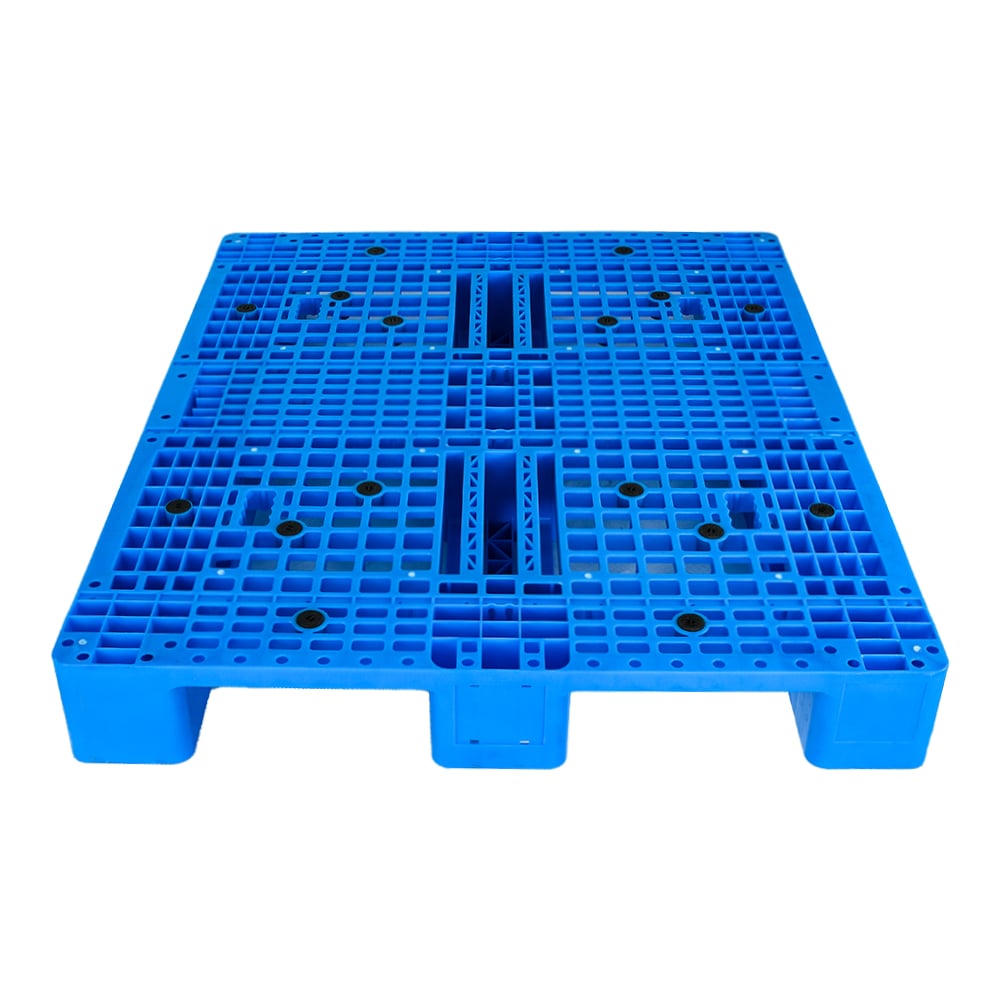
Getting the dimensions right matters a lot when integrating with material handling systems. The forklift entry height needs to be at least 95 mm to allow proper tine clearance. Sidewalls should be reinforced so they don't bend more than 3 degrees when fully loaded, otherwise things get jammed. For conveyors to work smoothly, the base has to fit within about 5 mm of roller spacing. This becomes really important on automated lines that handle over 500 units per hour. Pallet jacks require at least 80 mm of ground clearance, plus corners need to be rounded beyond 50 mm radius to prevent snagging during fast turnover operations. Missing any of these details can lead to expensive conveyor shutdowns. We're talking around $740k an hour loss during peak times according to Material Handling Institute data from 2023. Most manufacturers now go with tapered bases and standard footprints matching ISO 6780 pallet sizes because it works everywhere, whether the operation is manual or fully automated.
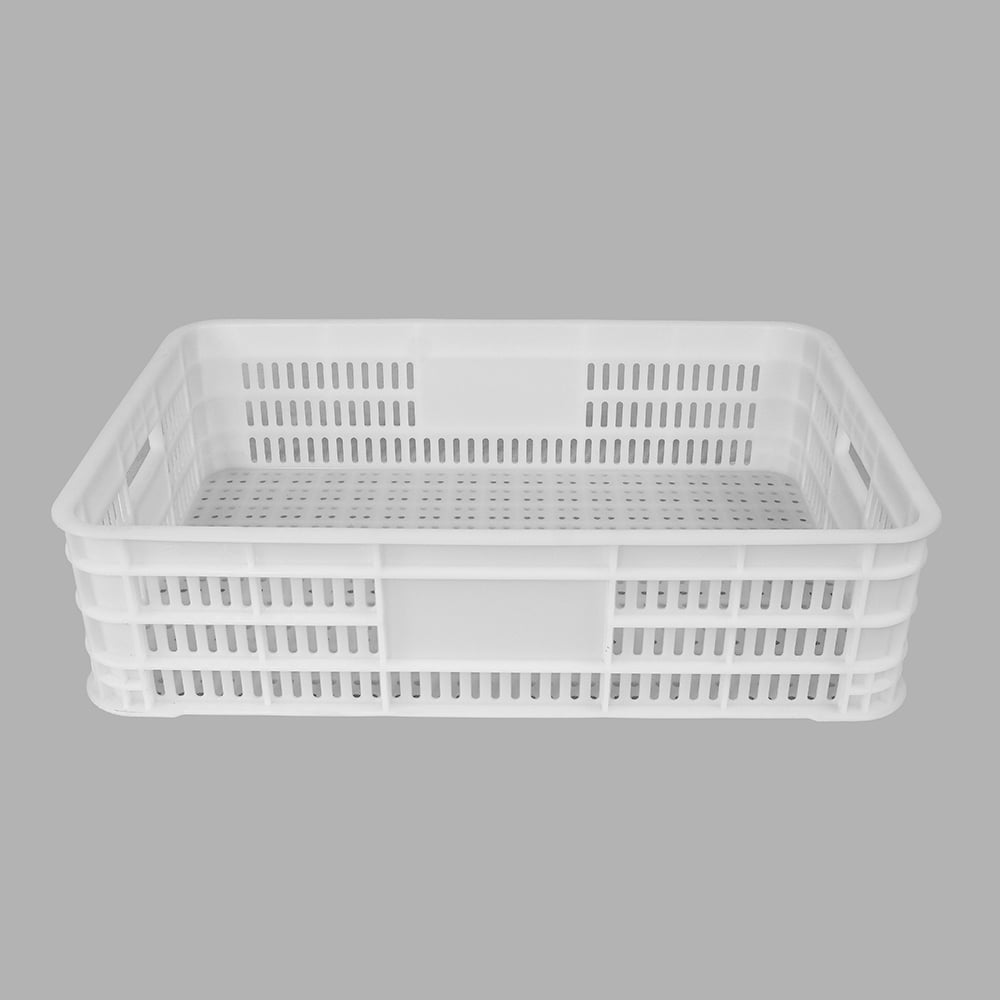
What works best for crate design really comes down to what's happening on the warehouse floor rather than some one-size-fits-all solution. Stackable crates are great for maximizing vertical space when goods stay put in storage facilities, but these same crates take up just as much room when they're empty and heading back out. Nestable options solve this problem by shrinking their footprint by around two thirds through clever interlocking shapes, although workers still need to manually separate them which can slow things down. Then there are collapsible crates that slash return shipping volumes by about three quarters according to last year's Logistics Efficiency Report. These bring an 18 month payback period in systems where materials get reused constantly, but companies should know they cost roughly 20 to 30 percent more initially and those hinges tend to wear out faster with repeated use.
| Design | Warehousing Efficiency | Return Transport Savings | Durability Impact |
|---|---|---|---|
| Stackable | High (full state) | Low | Minimal |
| Nestable | Medium (empty state) | Medium | Moderate |
| Collapsible | Low (assembled state) | High | Potential hinges wear |
For operations with frequent empty returns, collapsible models offer compelling economics. In mixed-use or high-volume static environments, stackable/nestable hybrids provide balanced flexibility without compromising longevity.
The static load capacity refers to the weight a crate can hold when stationary. However, in real-world applications full of movements and impacts, dynamic load capacity is more relevant as it accounts for vibrations, impacts, and other forces that occur during transportation.
Certifications ensure that plastic crates meet set quality and safety standards under various conditions. They prove the durability, stacking strength, and resistance to impact of the crates, making them reliable for heavy-duty use.
Different materials like HDPE, PP, and reinforced composites determine the temperature tolerance, impact resistance, and UV stability of plastic crates, which are crucial for their performance in specific environmental conditions.
Key factors include forklift entry height, conveyor footprint fit, sidewall strength, and pallet jack clearance. These ensure efficient integration with material handling systems and prevent operational interruptions.
Collapsible crates generally offer excellent return transport savings, while stackable/nestable designs offer better longevity and flexibility in mixed-use environments.
 Hot News
2025-03-31
2025-03-31
2025-03-31


 EN
EN